
Buying a Home
What monthly payment fits your budget?
Start with a comfortable payment and work backward into the price range you should actually shop in.
Read the guideLearning Center
Practical answers to the questions and situations that come up in everyday mortgage conversations, because no two loans are ever exactly the same.
Learning Center
Start at Step 1 or jump straight to the stage you are dealing with. No mortgage degree required.
Step 01
Budget, cash to close, representation, offers, gift funds, and other decisions before contract.
Buying a Home
Start with a comfortable payment and work backward into the price range you should actually shop in.
Read the guide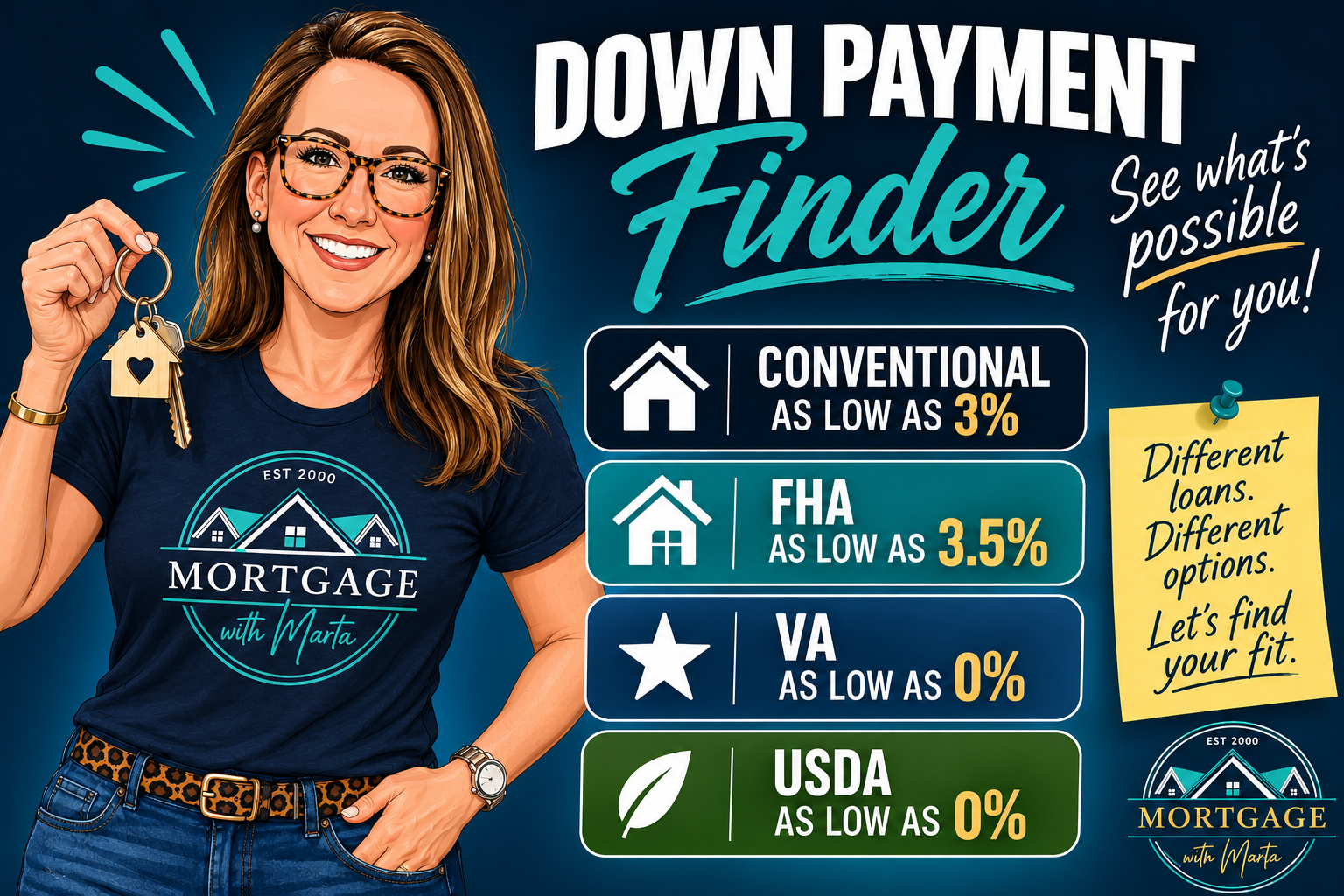
Buying a Home
Compare common down-payment options for VA, USDA, FHA, conventional, and investment-property loans.
Read the guide
Buying a Home
Understand representation, negotiation, deadlines, and who is sitting on your side of the table.
Read the guide
Buying a Home
How donor eligibility, transfer methods, gift letters, and sourcing work.
Read the guide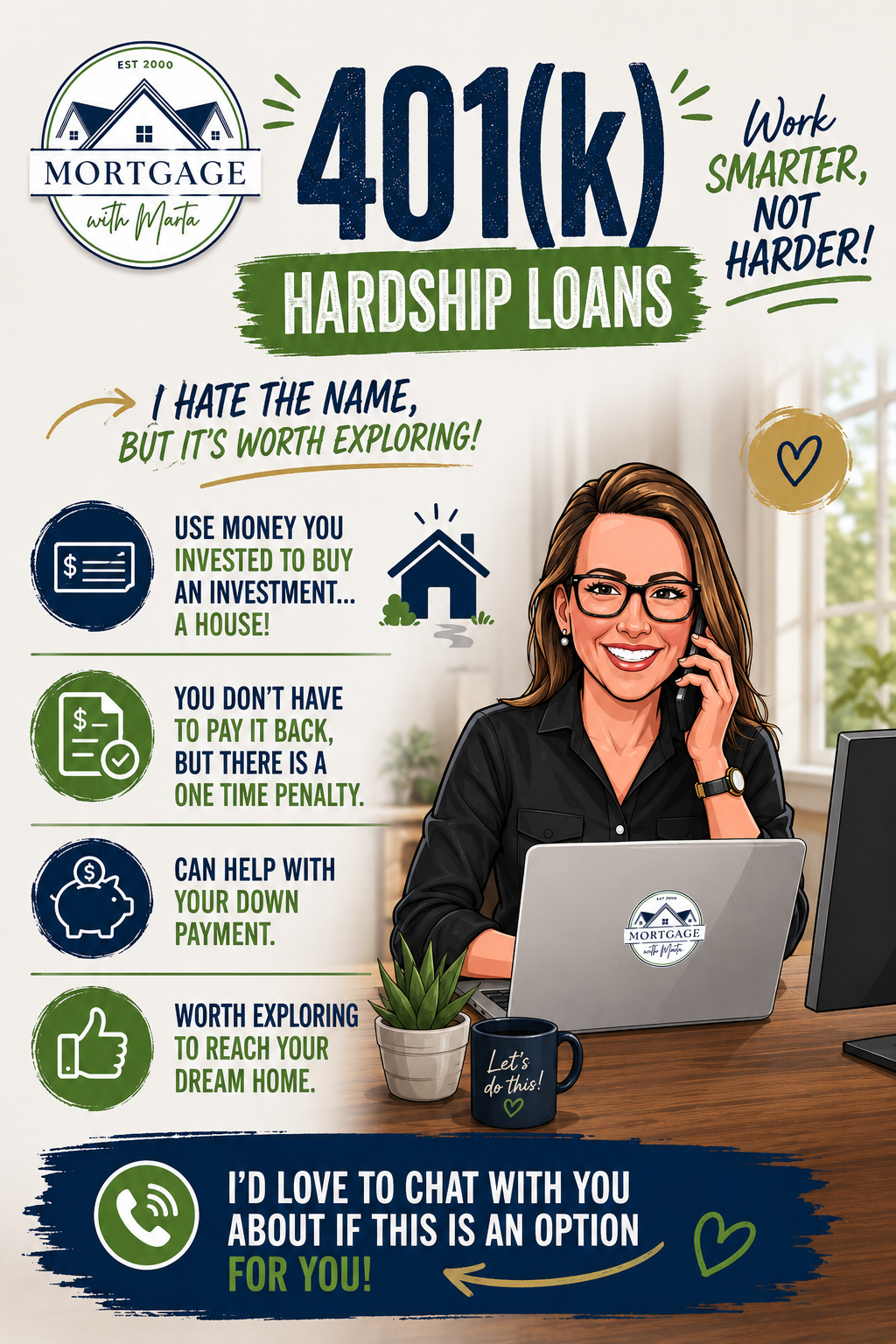
Buying a Home
The difference between a plan loan and hardship withdrawal and why professional guidance matters.
Read the guide
Buying a Home
See how seller-credit limits vary by loan program, down payment, and occupancy, and why the useful amount matters more than the maximum.
Read the guide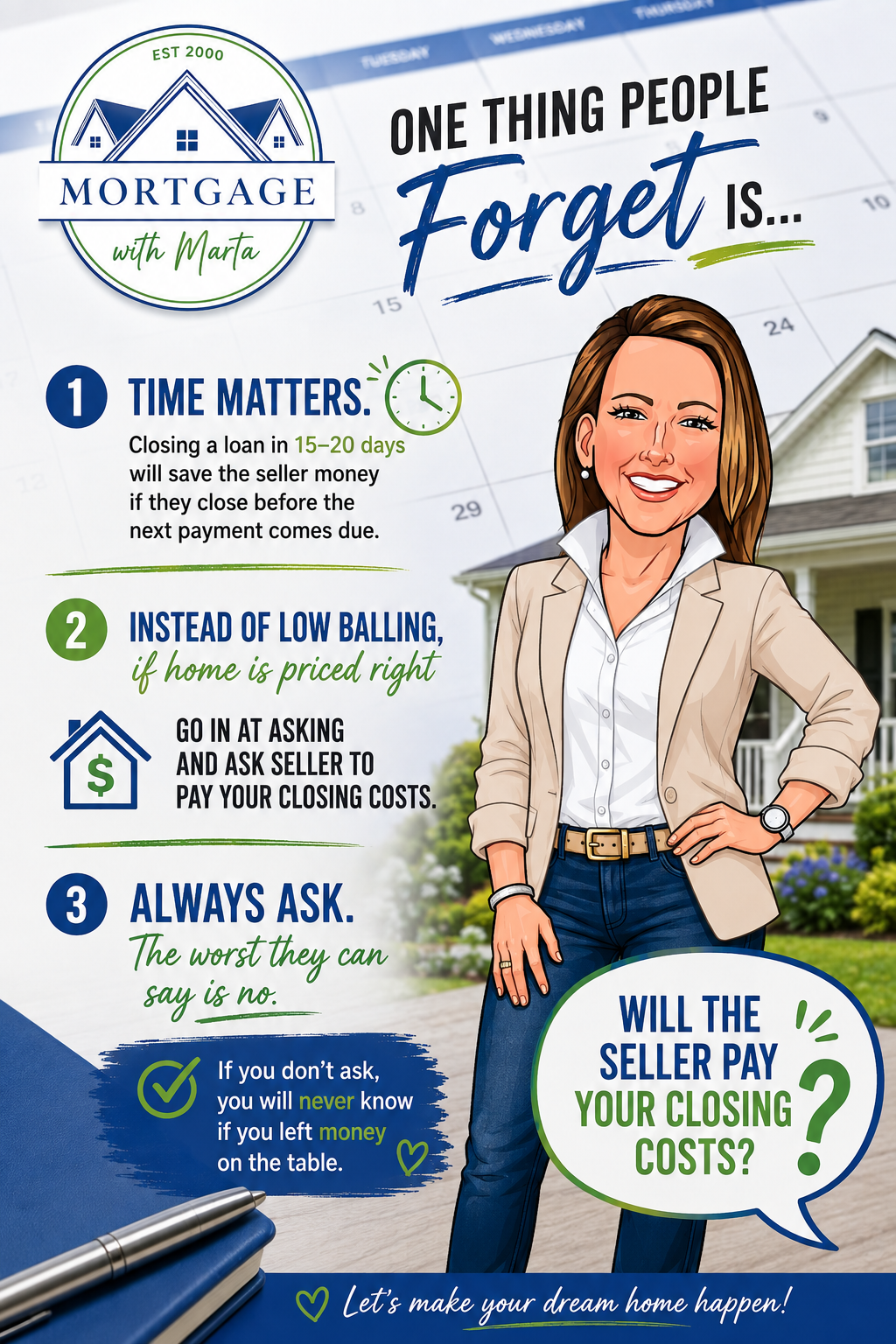
Buying a Home
How a reliable closing timeline and useful seller credits can strengthen an offer strategy.
Read the guideStep 02
Preapproval, documents, expectations, and what happens before the house hunt gets serious.
Getting Started
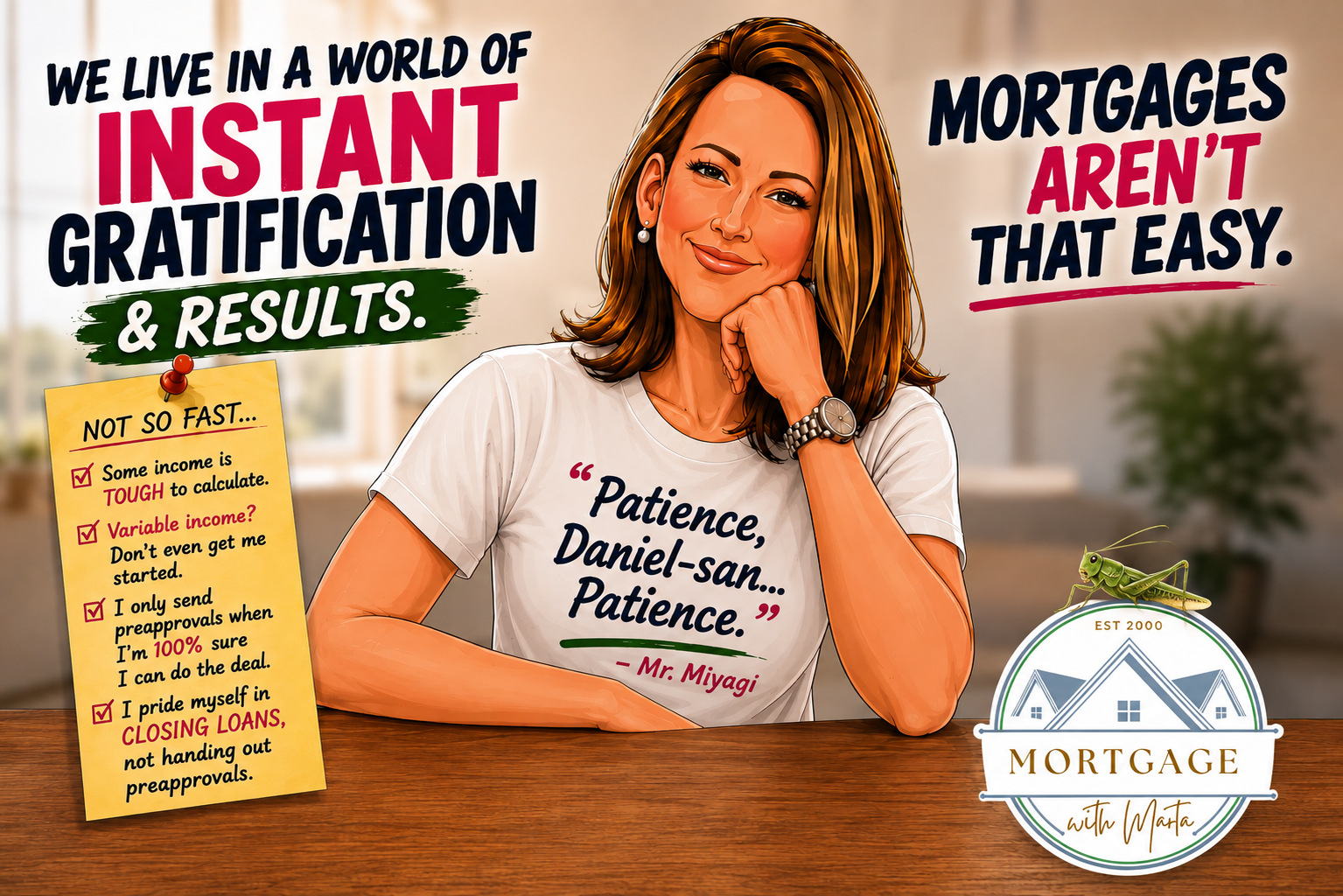
Why a careful preapproval and extra time upfront can protect you from bad news after you find the house.
Read the guide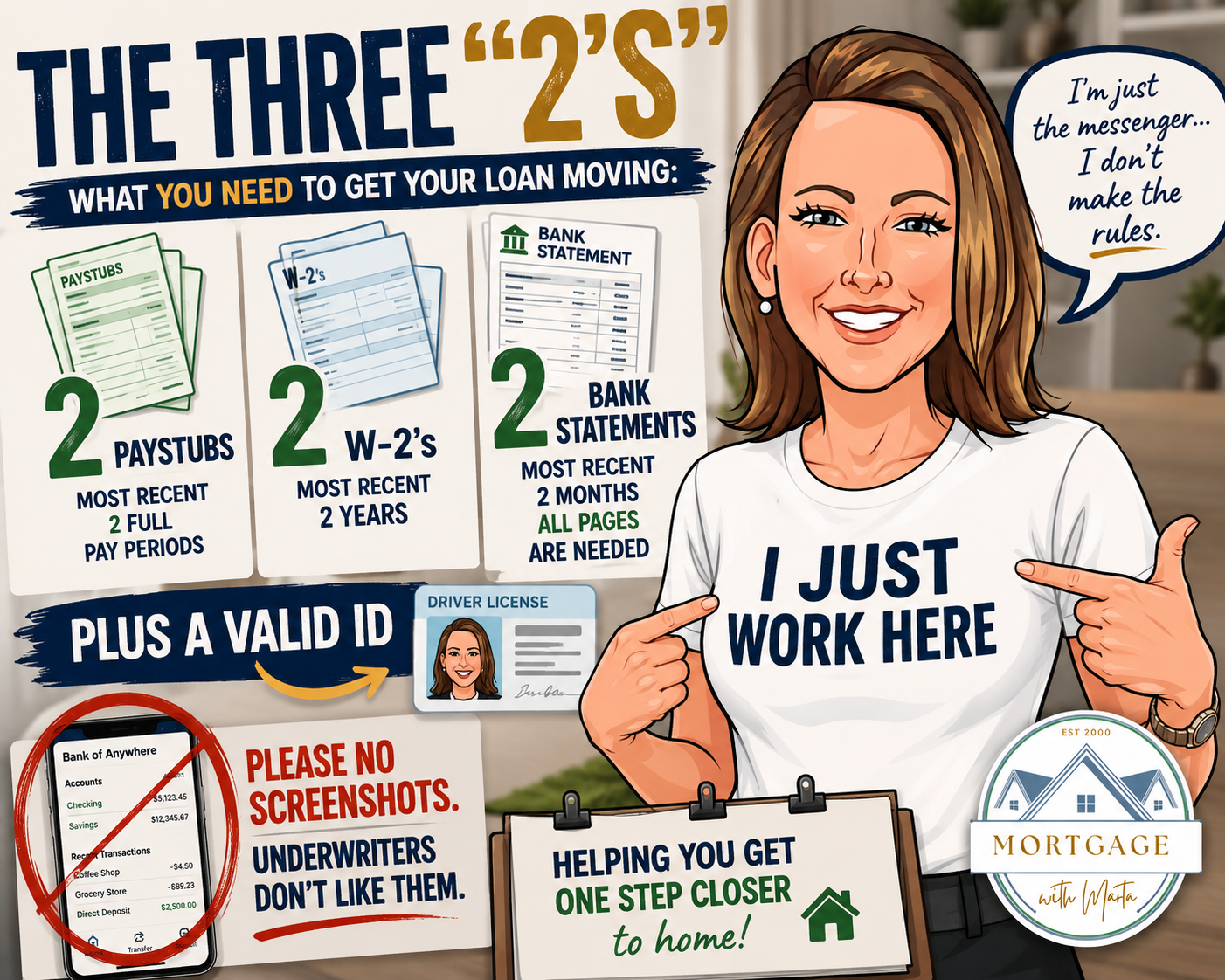
Getting Started
The paystubs, W-2s, bank statements, and ID that help get a mortgage moving.
Read the guide
Getting Started
Bring the actual decision and full file so the structure, guideline, and options can be reviewed.
Read the guideStep 03
How credit, debts, employment, assets, and qualifying income calculations really work.
Credit and Income
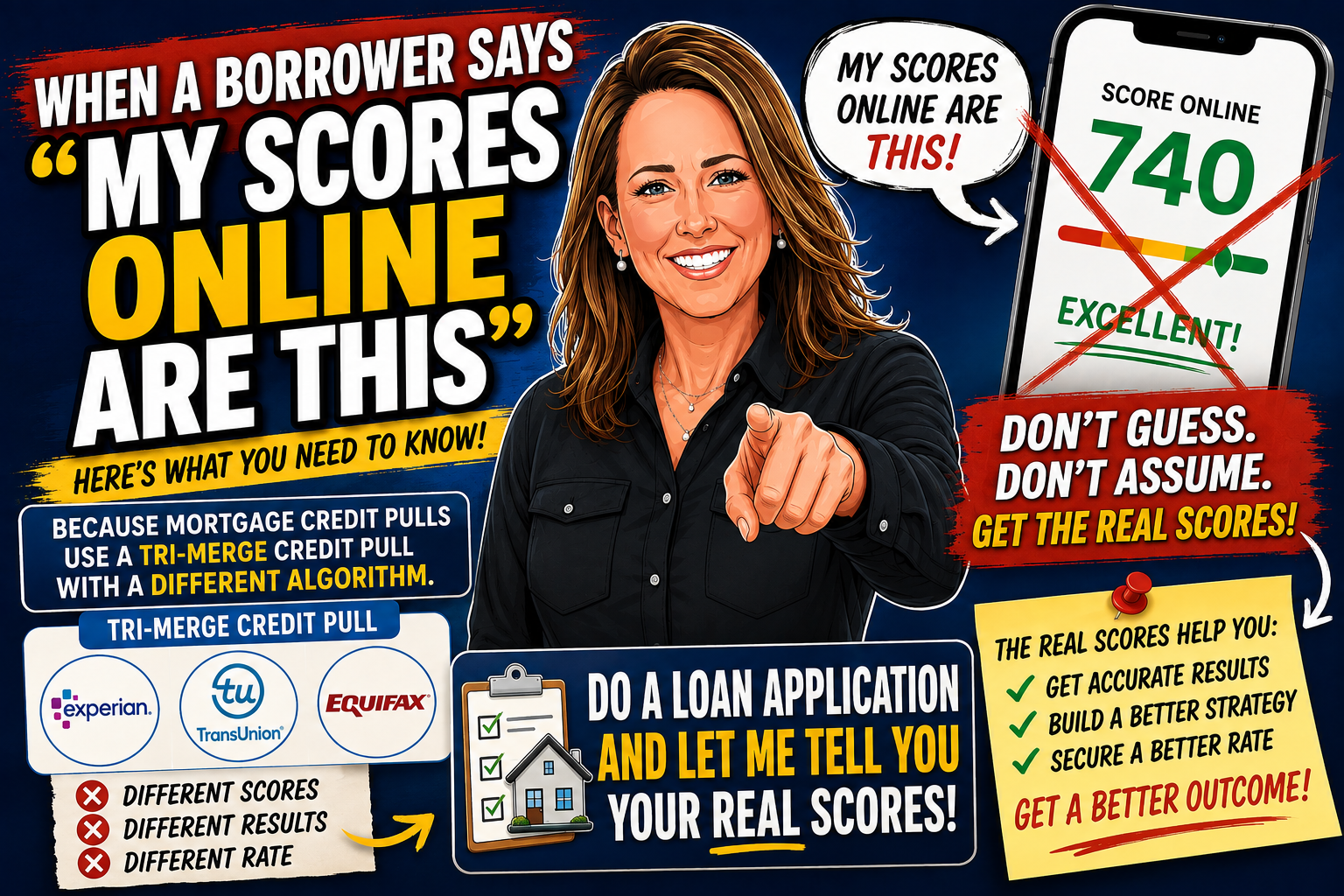
Why consumer scores and mortgage-specific tri-merge scores may be different.
Read the guide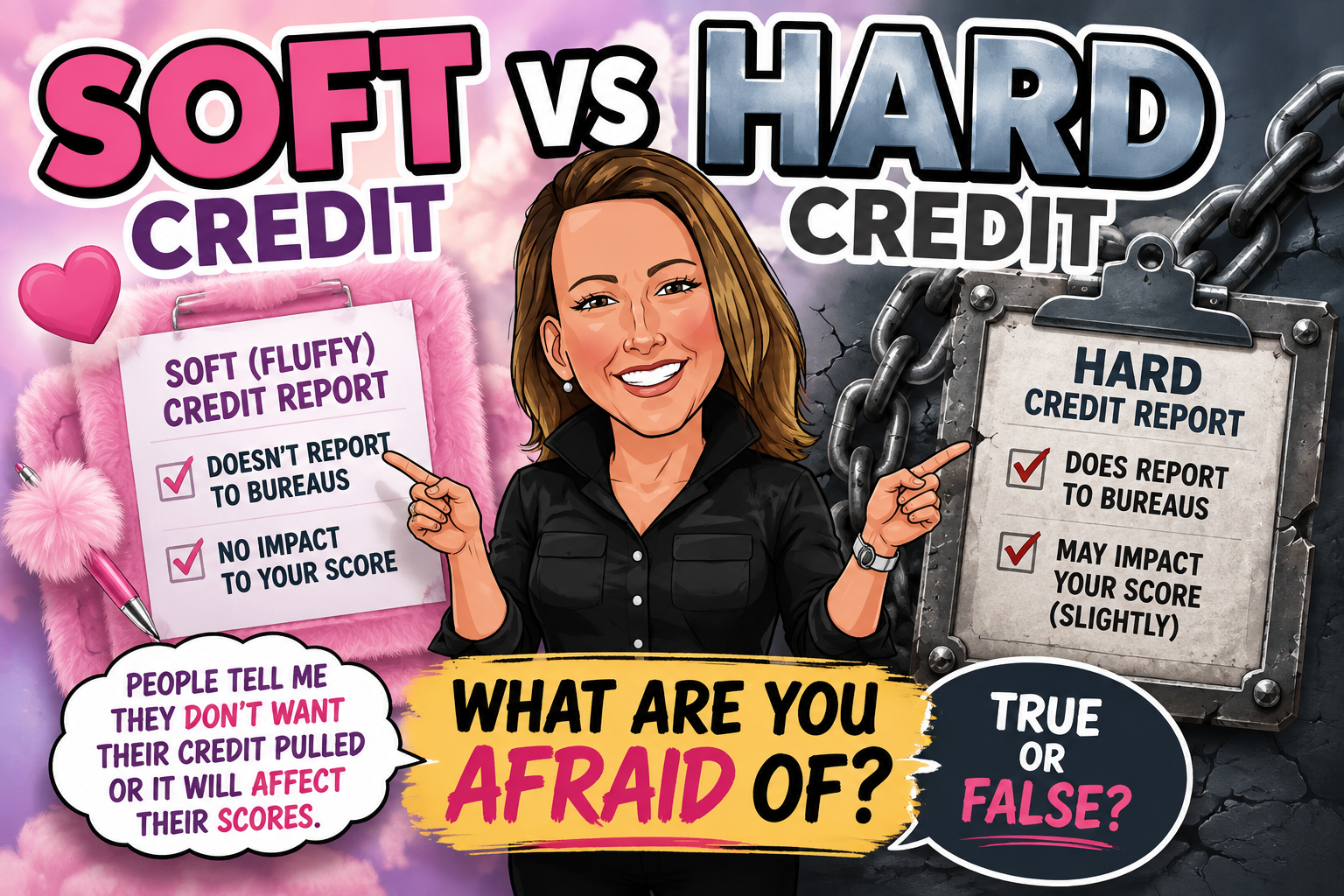
Credit and Income
How the two inquiries differ and why mortgage shopping-window rules vary by scoring model.
Read the guide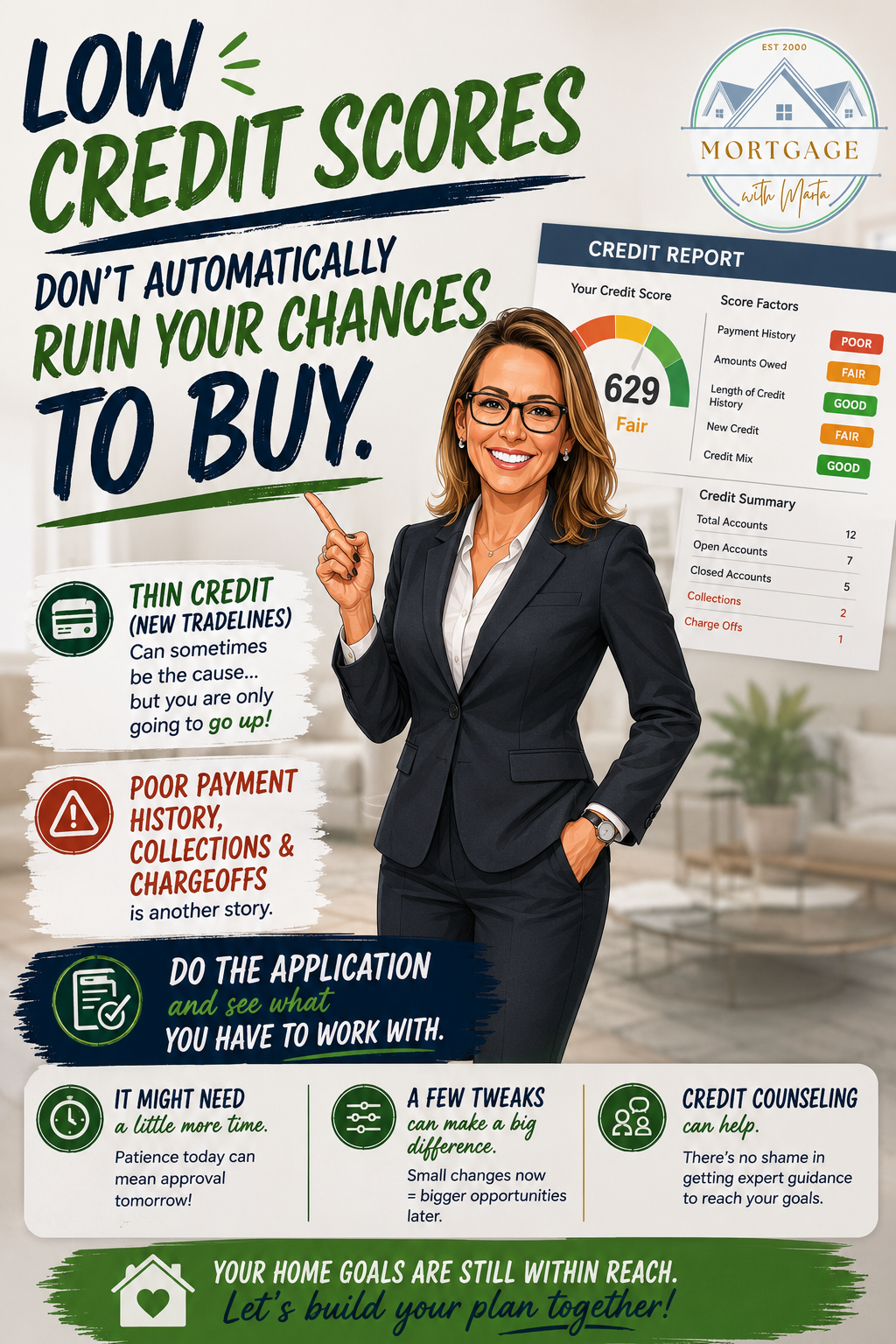
Credit and Income
How thin credit differs from damaged credit and how to build a specific plan.
Read the guide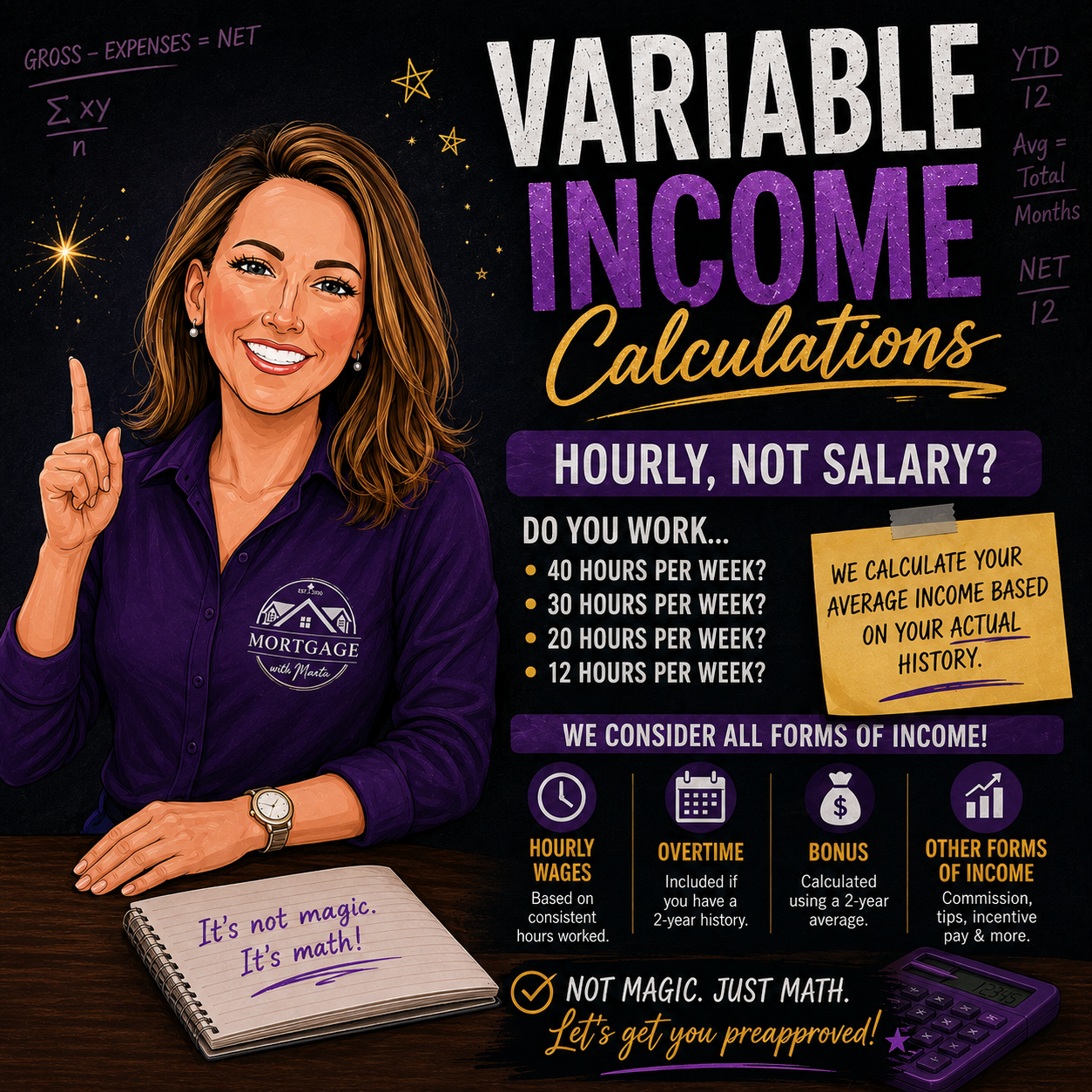
Credit and Income
Why hourly, overtime, bonus, commission, and incentive income may need to be averaged.
Read the guide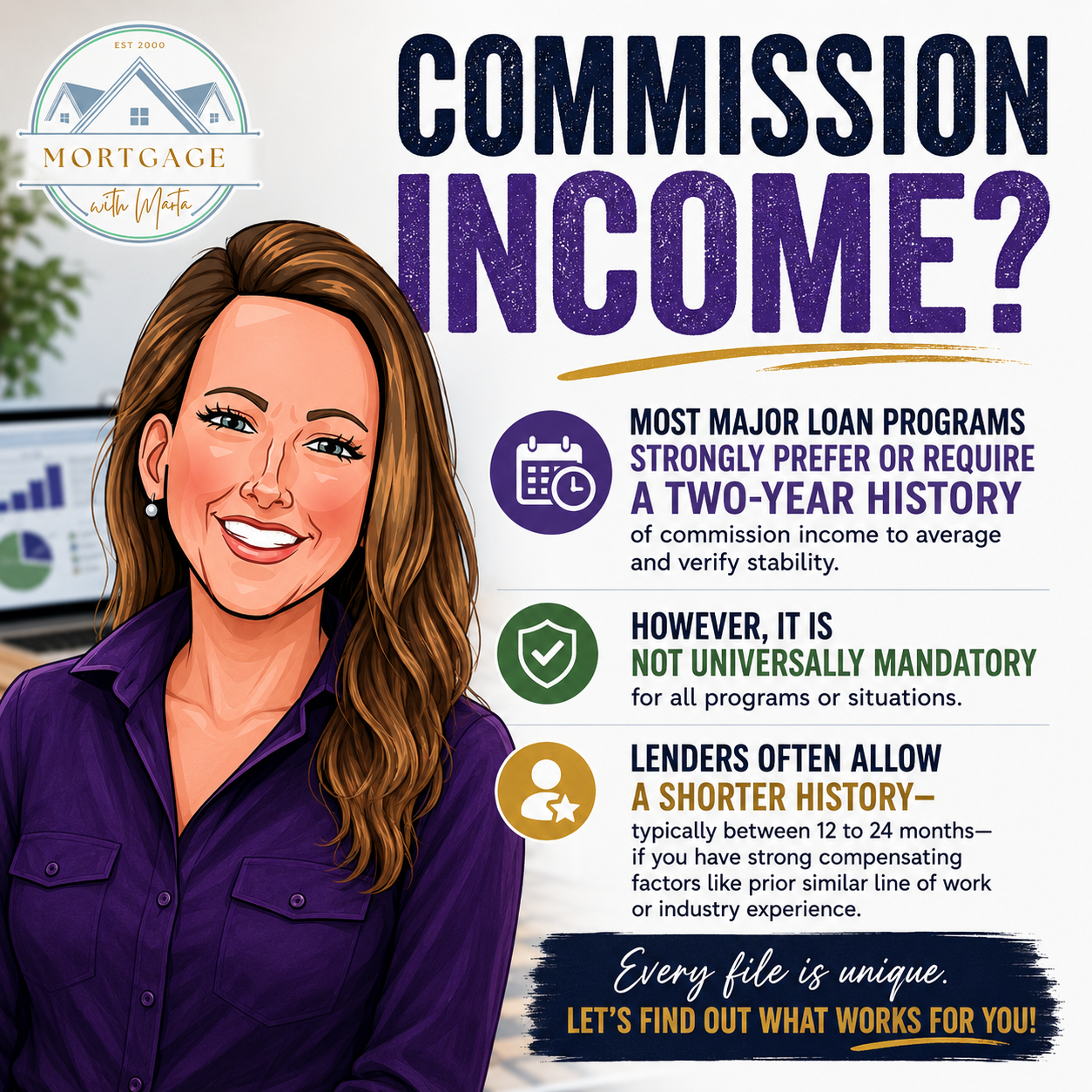
Credit and Income
Why two years is ideal, when a shorter history may work, and what lenders review.
Read the guide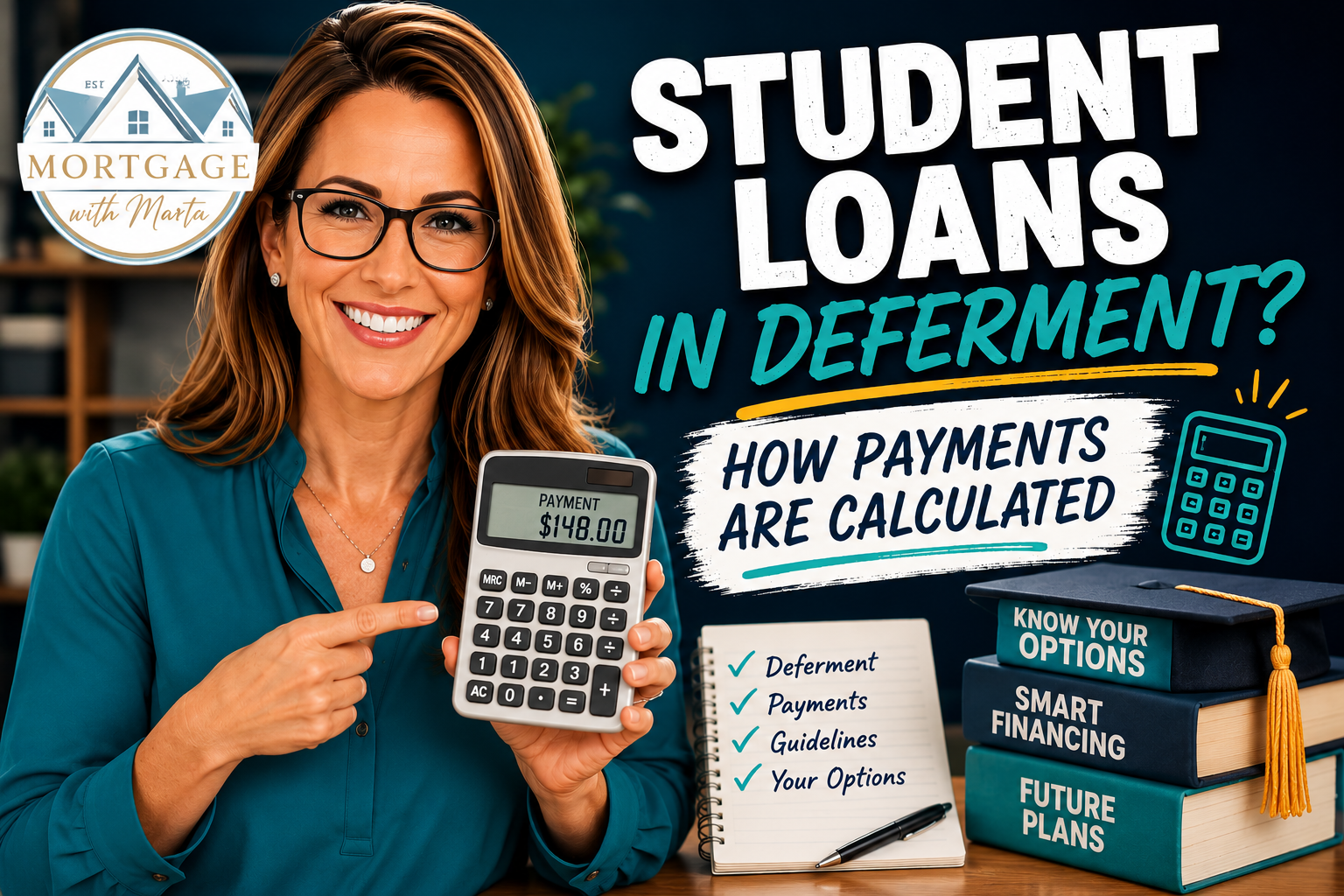
Credit and Income
How Conventional, FHA, and VA programs may calculate a student-loan payment for qualifying.
Read the guide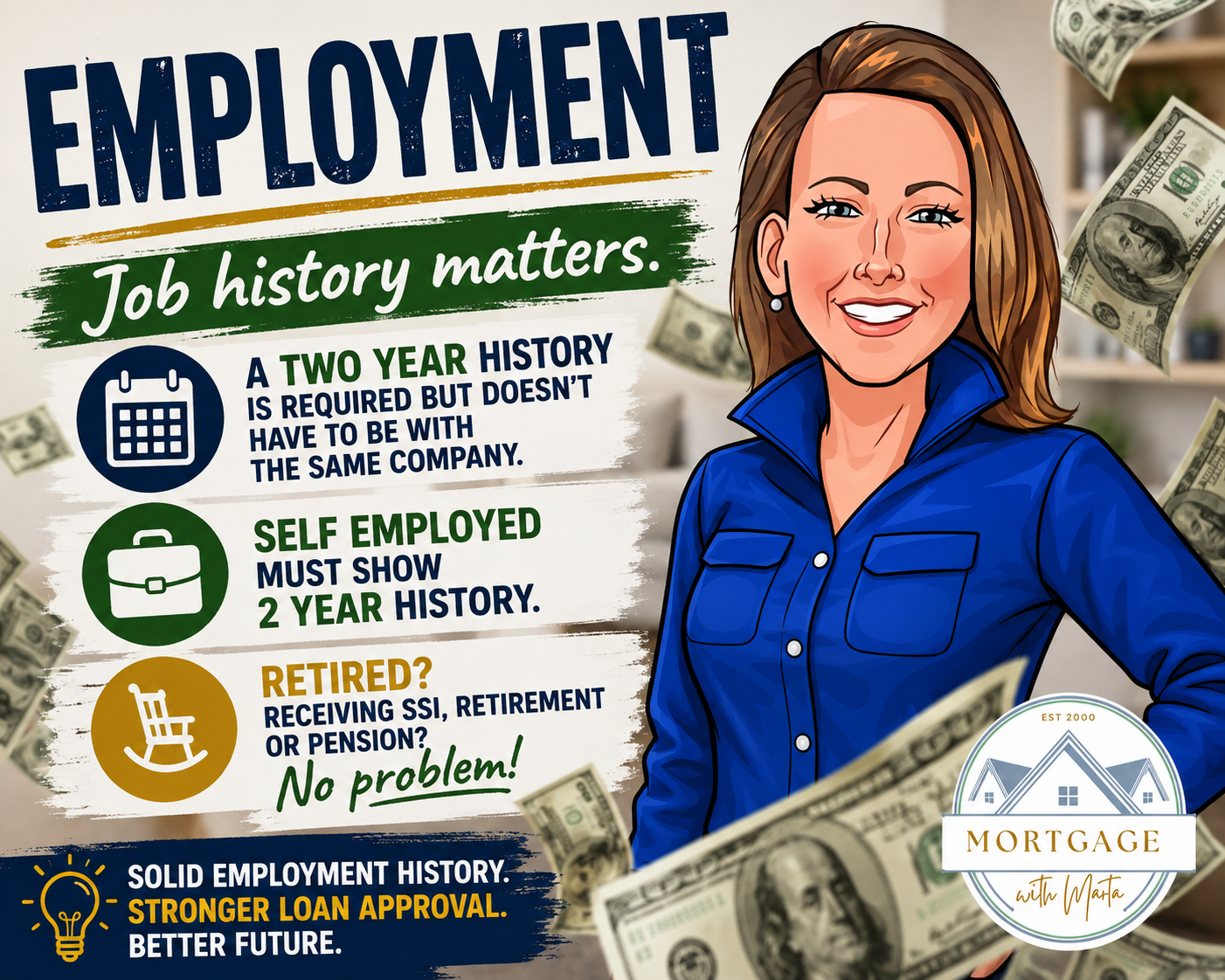
Credit and Income
Why changing employers does not automatically reset the mortgage clock.
Read the guide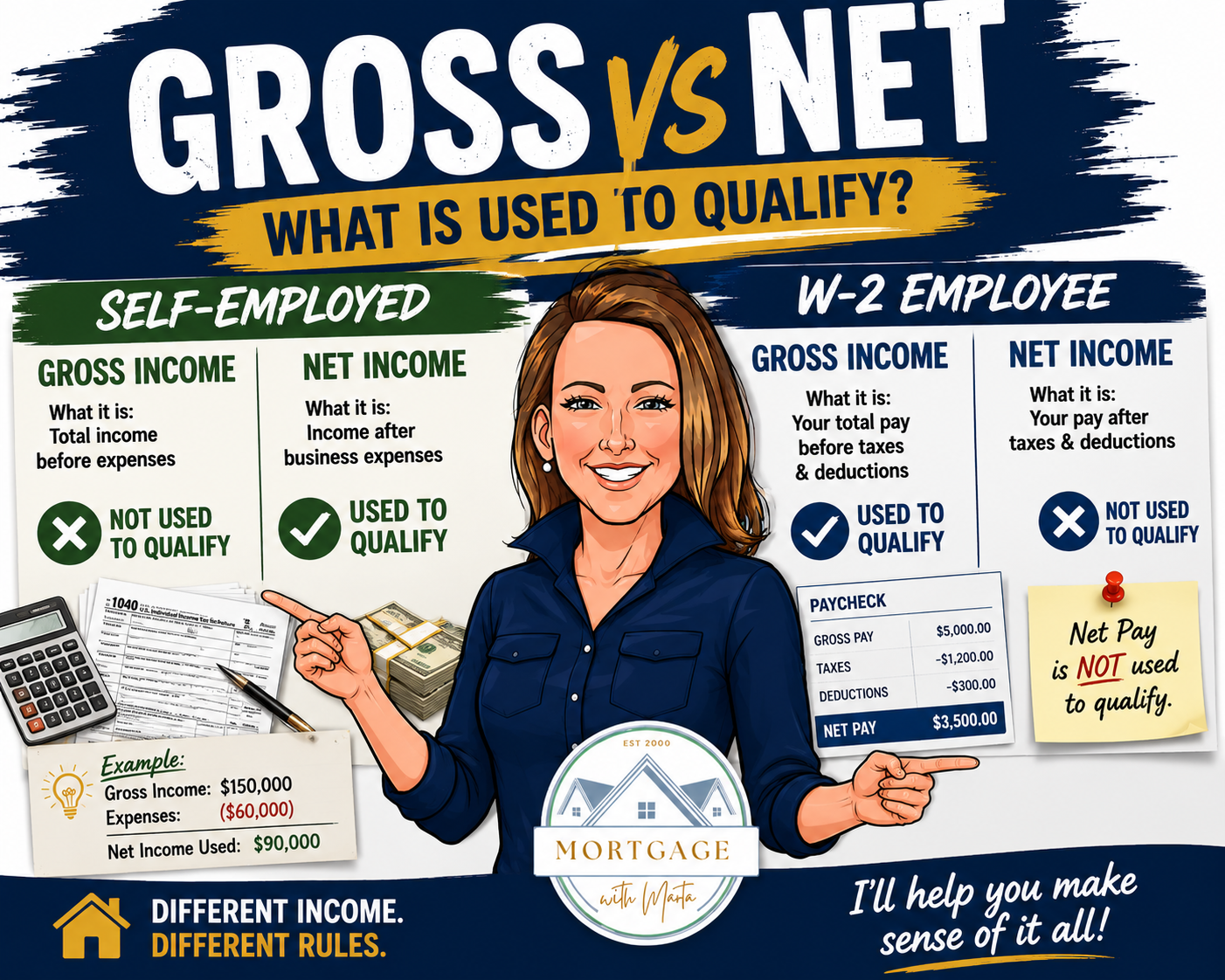
Credit and Income
How W-2 and self-employed qualifying income are calculated differently.
Read the guide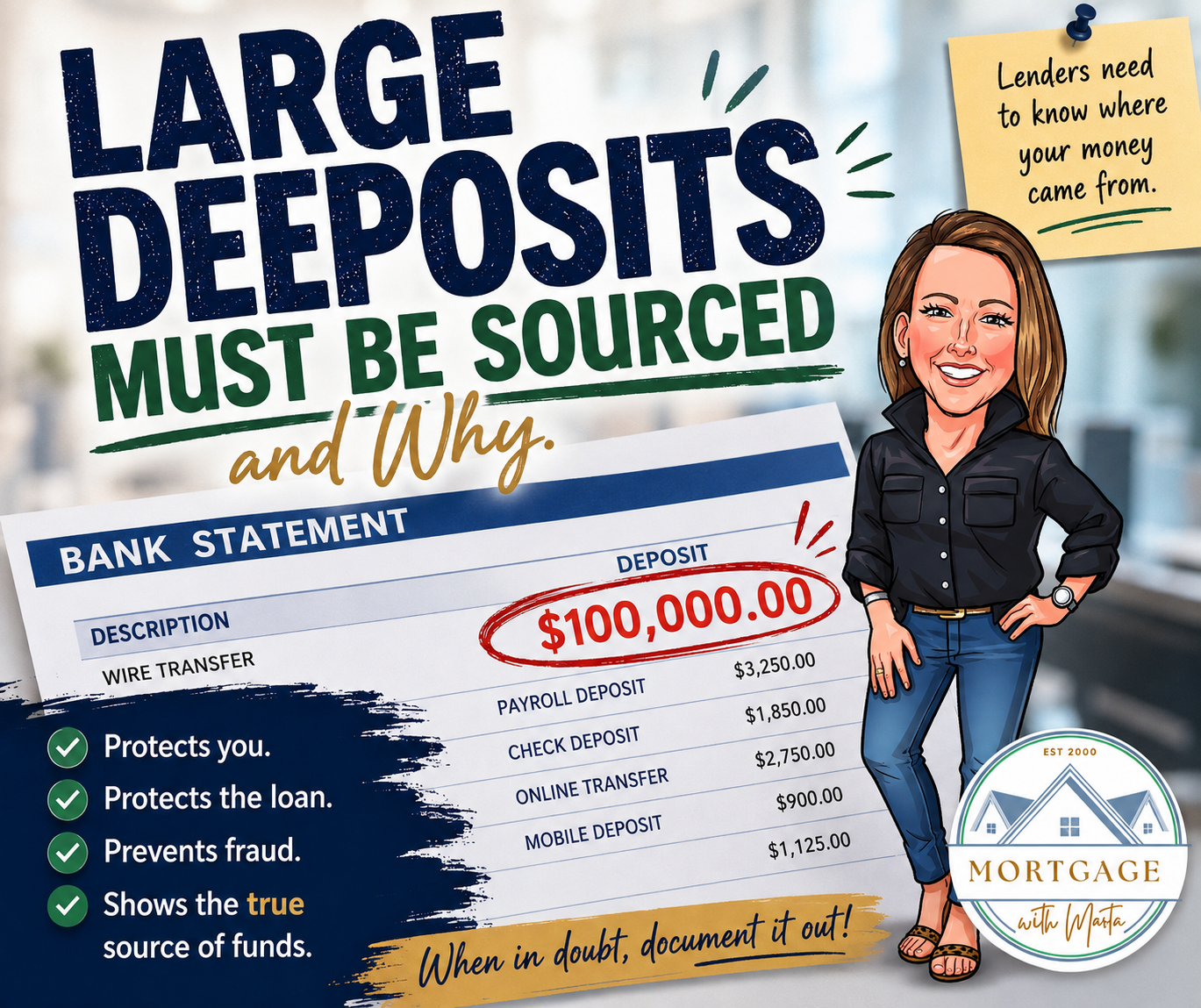
Credit and Income
Eligible sources, paper trails, and why cash deposits create underwriting questions.
Read the guide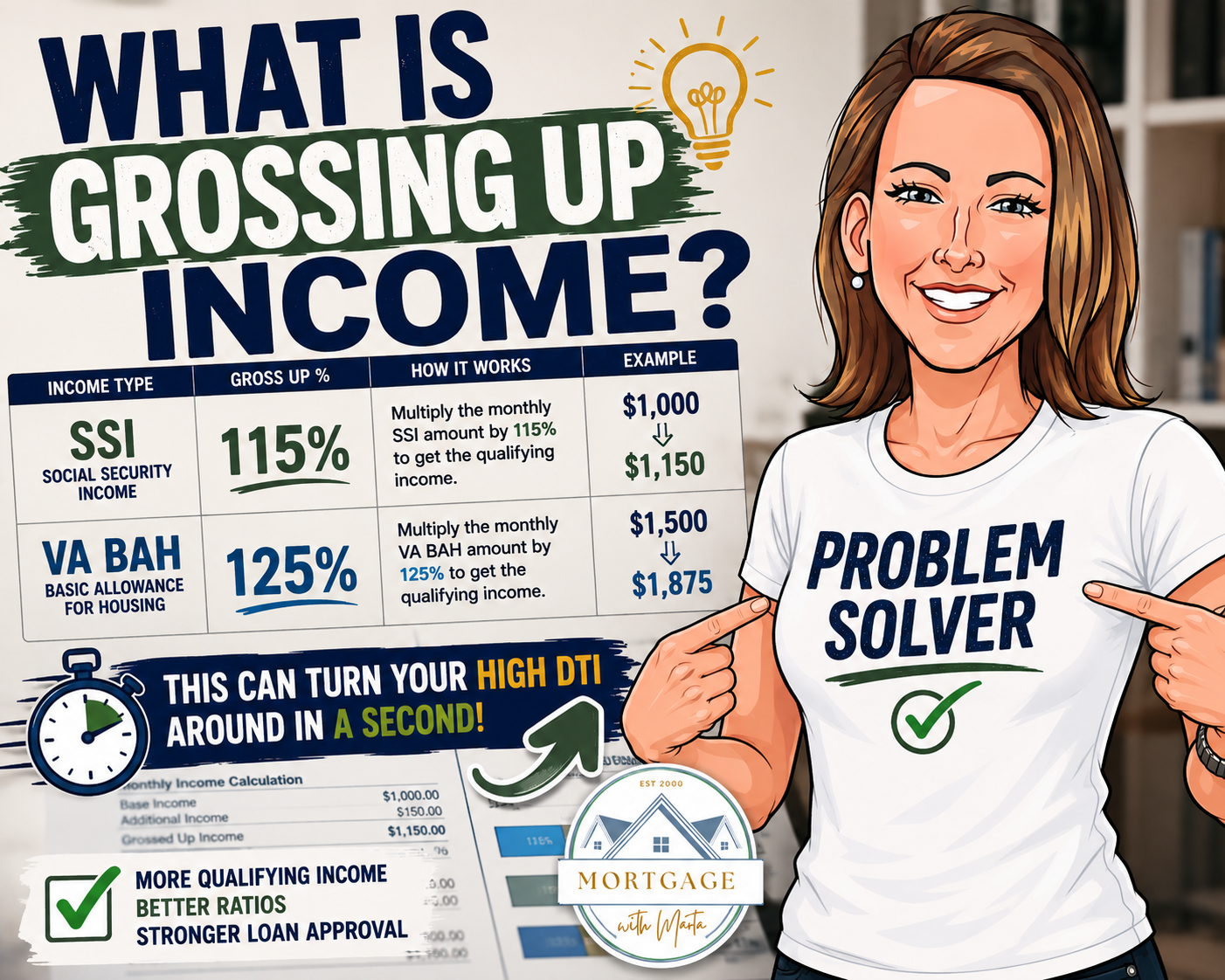
Credit and Income
How eligible tax-free income may be increased for qualifying and why it can improve your debt-to-income ratio.
Read the guide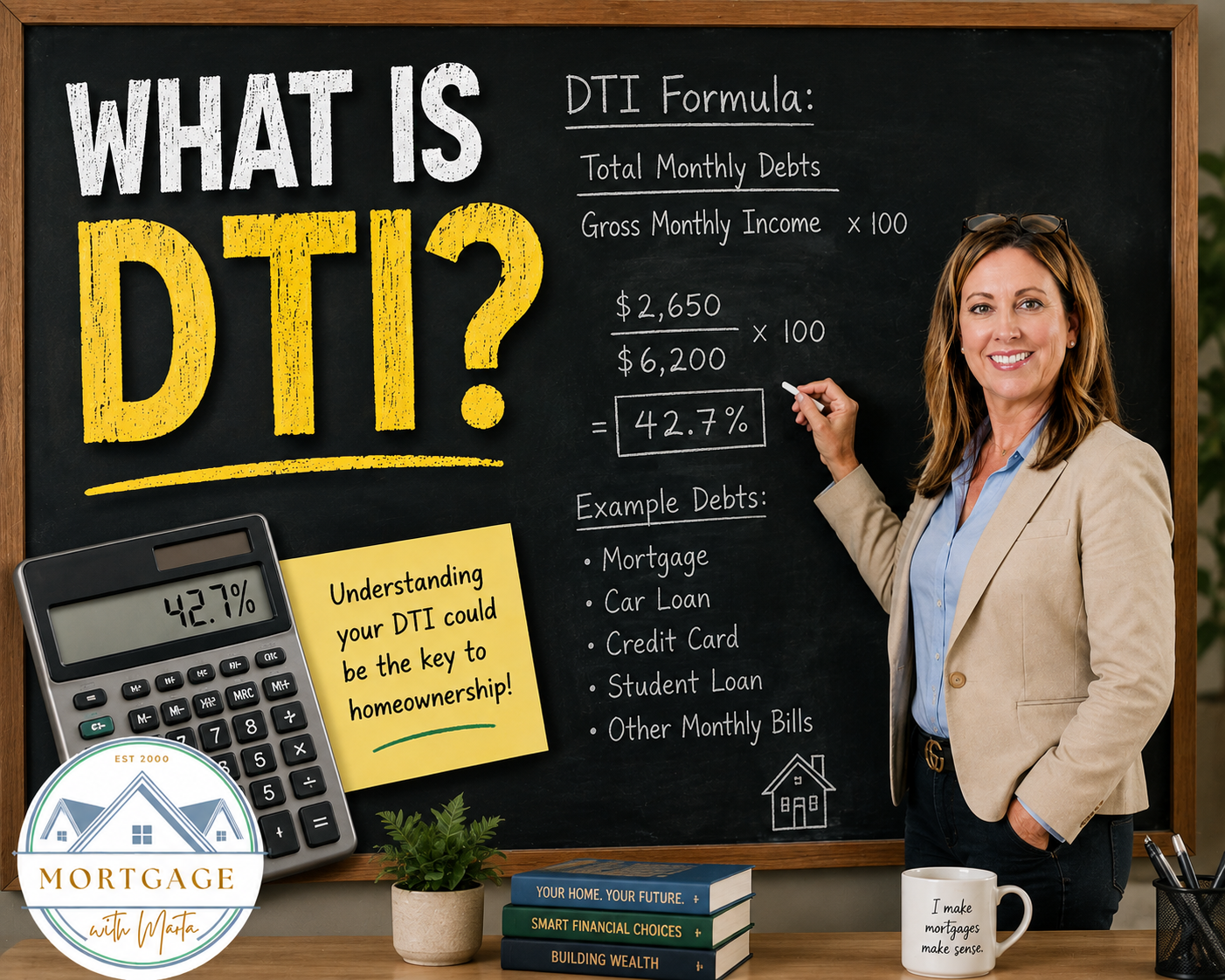
Credit and Income
The basic debt-to-income formula, which debts count, and why one percentage is not the whole decision.
Read the guide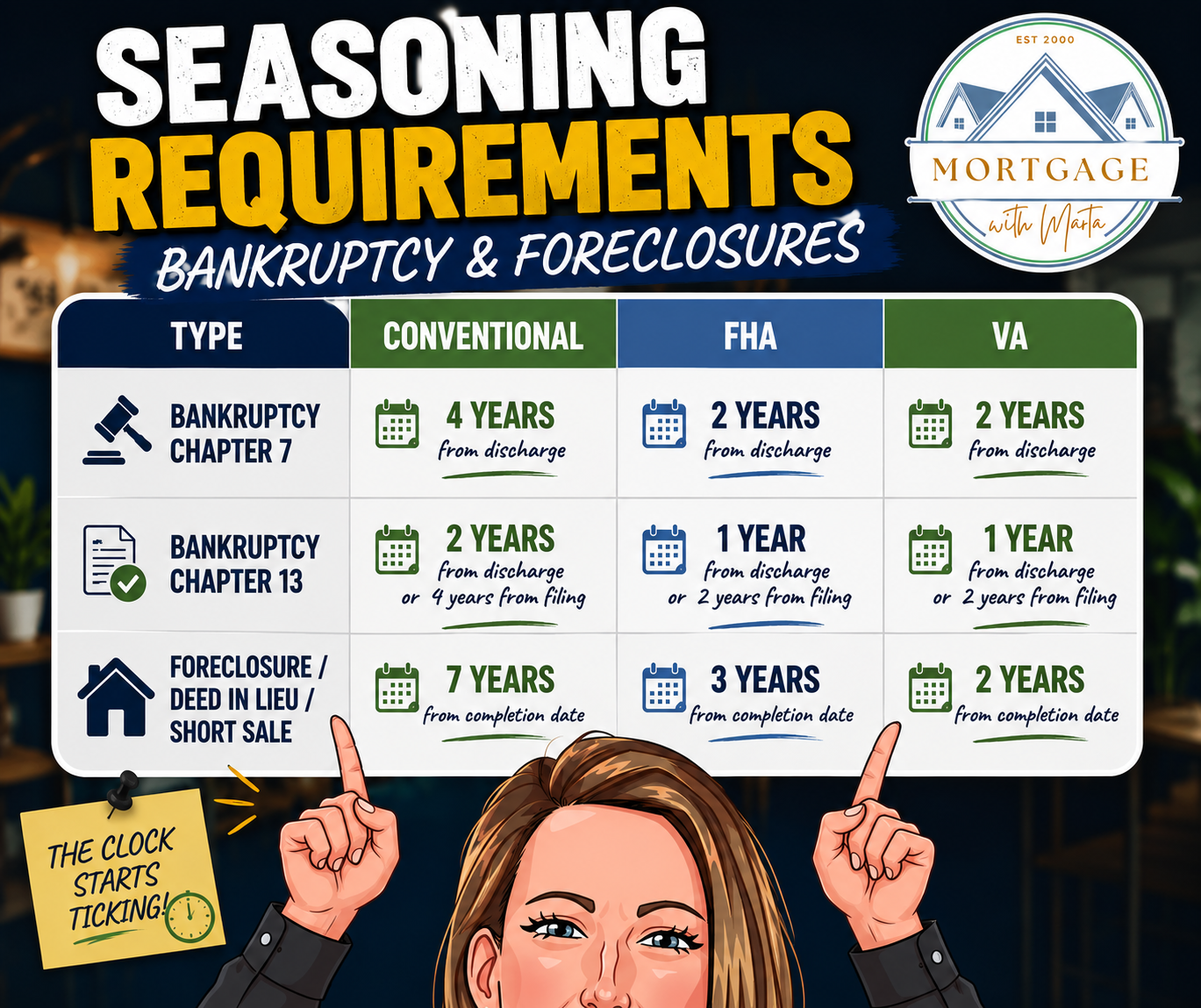
Credit and Income
Why bankruptcy, foreclosure, deed in lieu, or short sale does not automatically end the homeownership plan.
Read the guide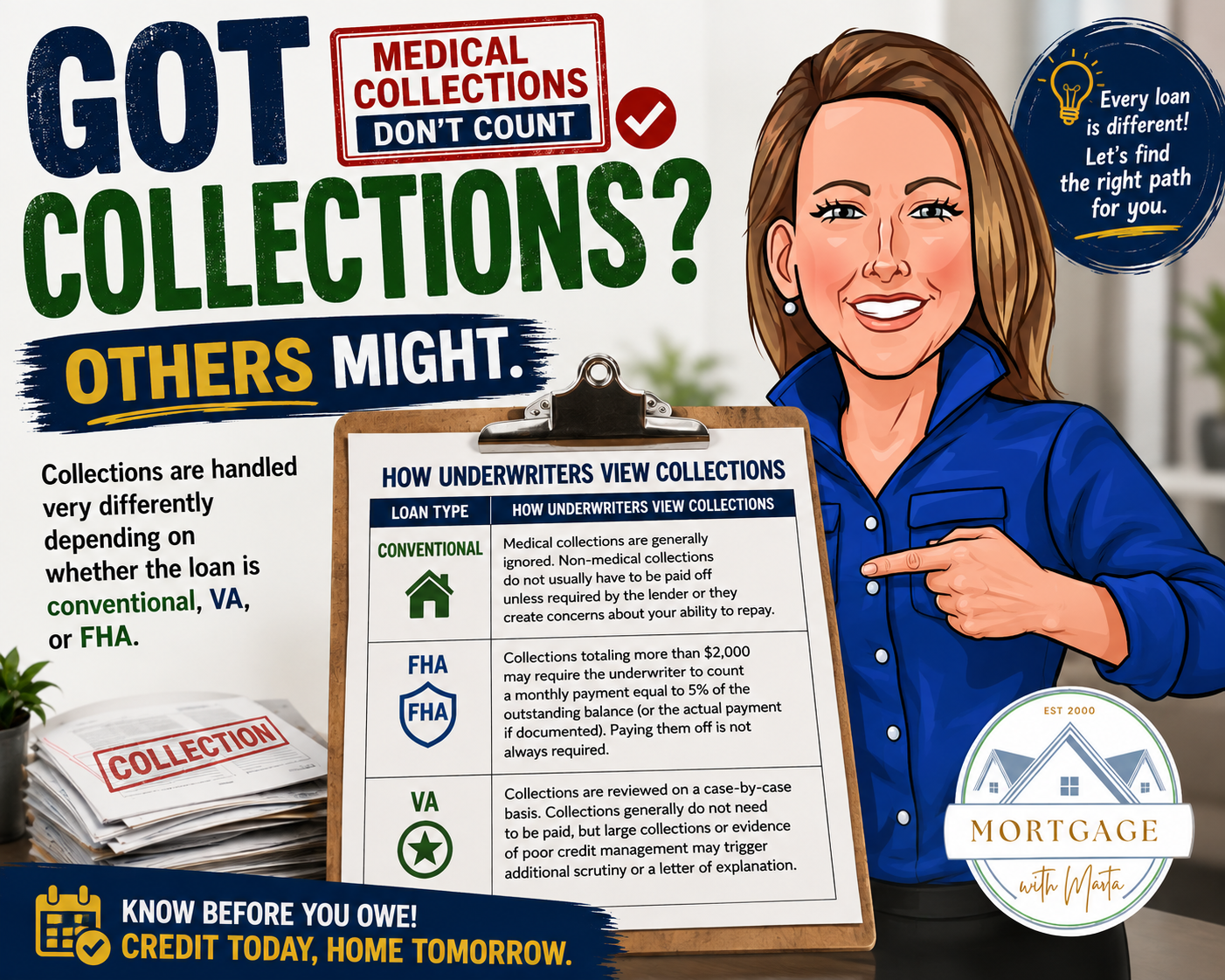
Credit and Income
How Conventional, FHA, and VA loans may treat collection accounts differently.
Read the guideStep 04
Compare conventional, government, assistance, and specialty loans after you understand the basic numbers.

VA Loans
No down payment, no monthly mortgage insurance, competitive rates, flexible guidelines, and seller concessions explained.
Read the guide
Loan Programs
How a 3.5% down payment, flexible credit guidelines, mortgage insurance, and DTI considerations work.
Read the guide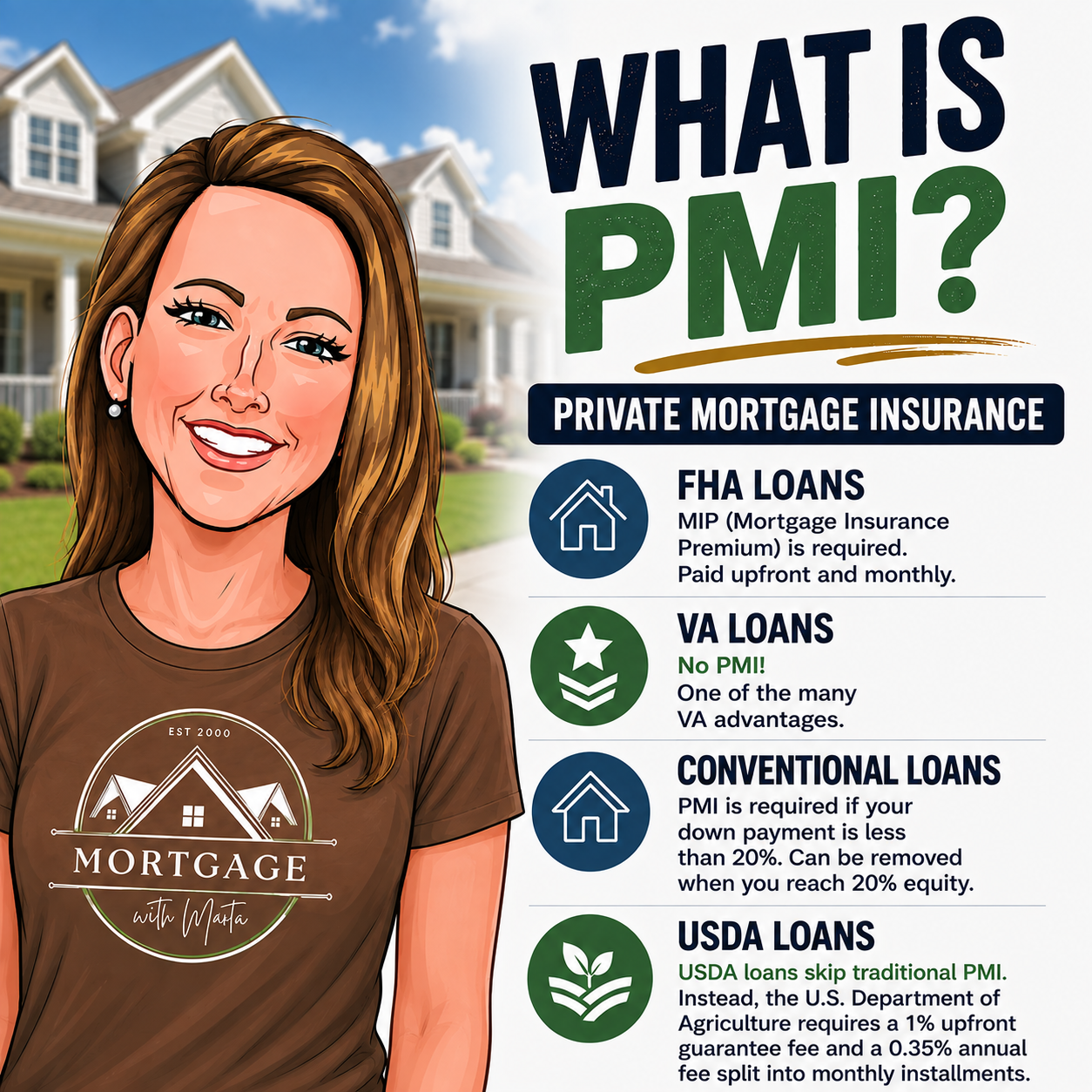
Loan Programs
How mortgage insurance and program fees differ for Conventional, FHA, VA, and USDA loans.
Read the guide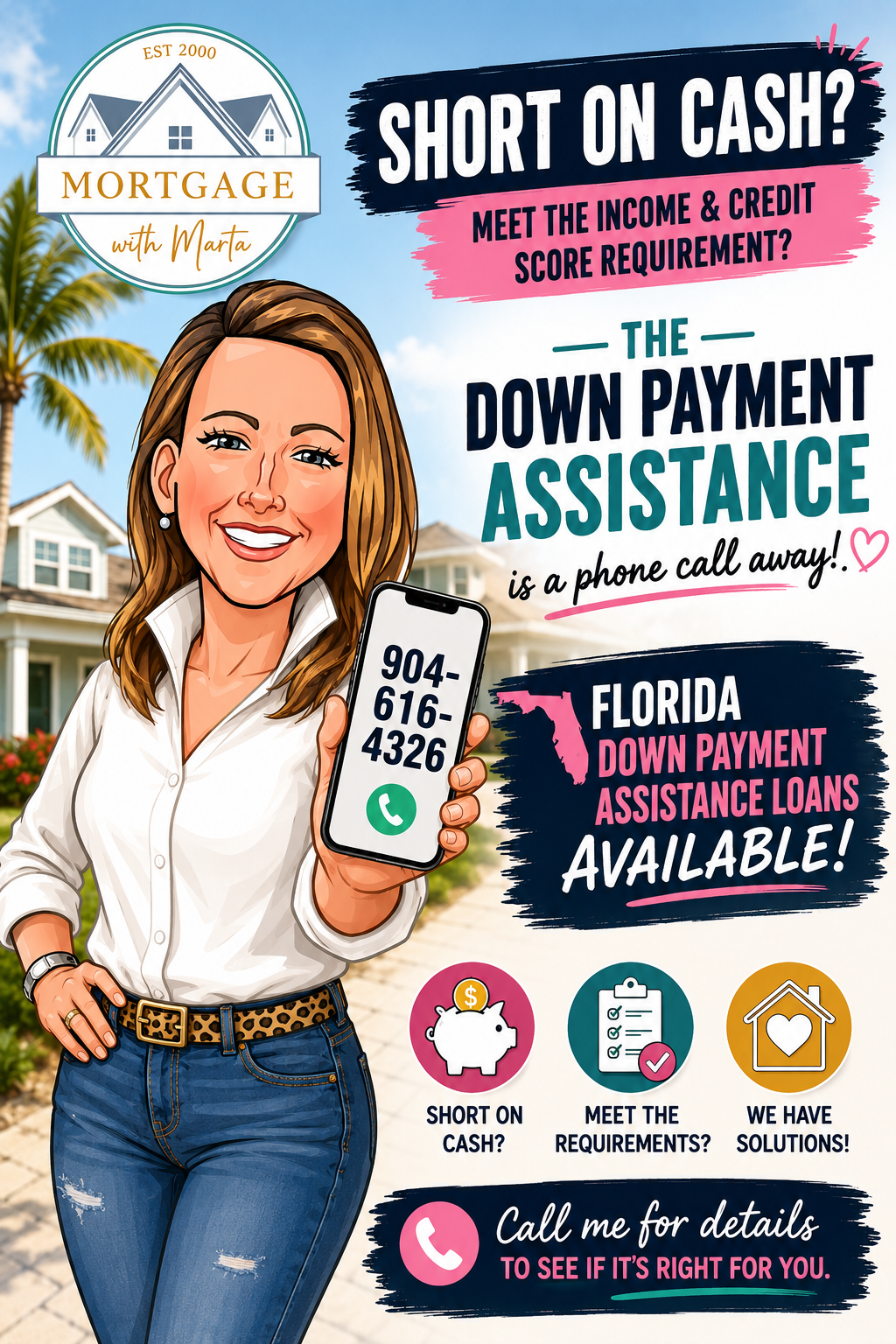
Loan Programs
How grants, forgivable loans, and second mortgages differ, and why total cost matters.
Read the guide
Loan Programs
How family equity may help with a down payment or closing costs and why the contract must be structured correctly.
Read the guide
VA Loans
What a true VA streamline refinance usually requires, which red flags to watch for, and how to decide whether the savings are real.
Read the guide
Buying a Home
Down payment, property eligibility, personal use, occasional rentals, and when investment financing is the better fit.
Read the guide
Loan Programs
My 16 years selling manufactured-home repos and foreclosures help me spot the financing details before they become closing problems.
Read the guide
Appraisals and Property
Acreage, barns, animals, residential use, marketability, zoning, and appraisal considerations.
Read the guide
Mortgage Strategy
Compare a HELOC, home-equity loan, cash-out refinance, and the risks behind each option.
Read the guide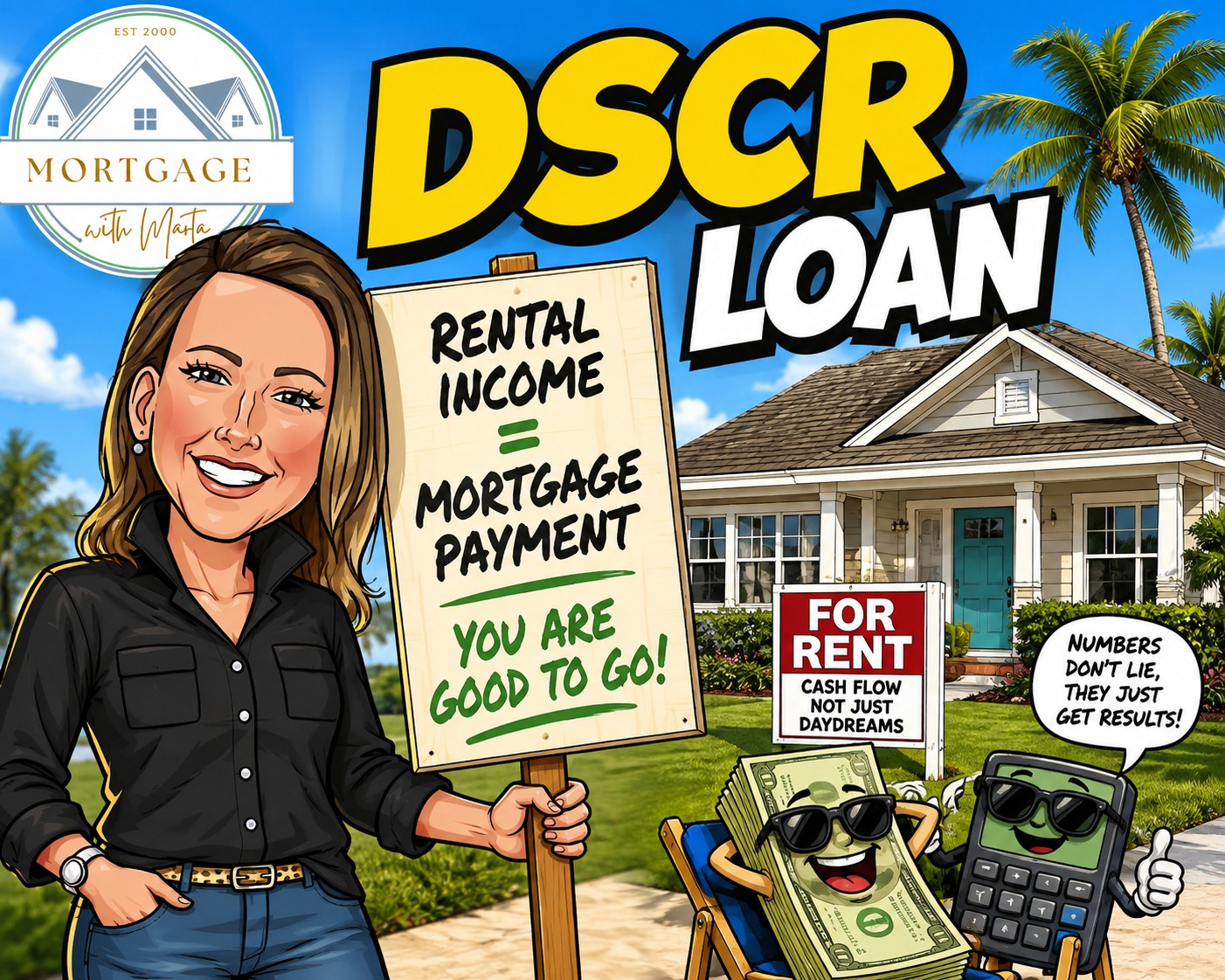
Investor Education
How qualifying rent and the housing expense are compared for an investment-property loan.
Read the guide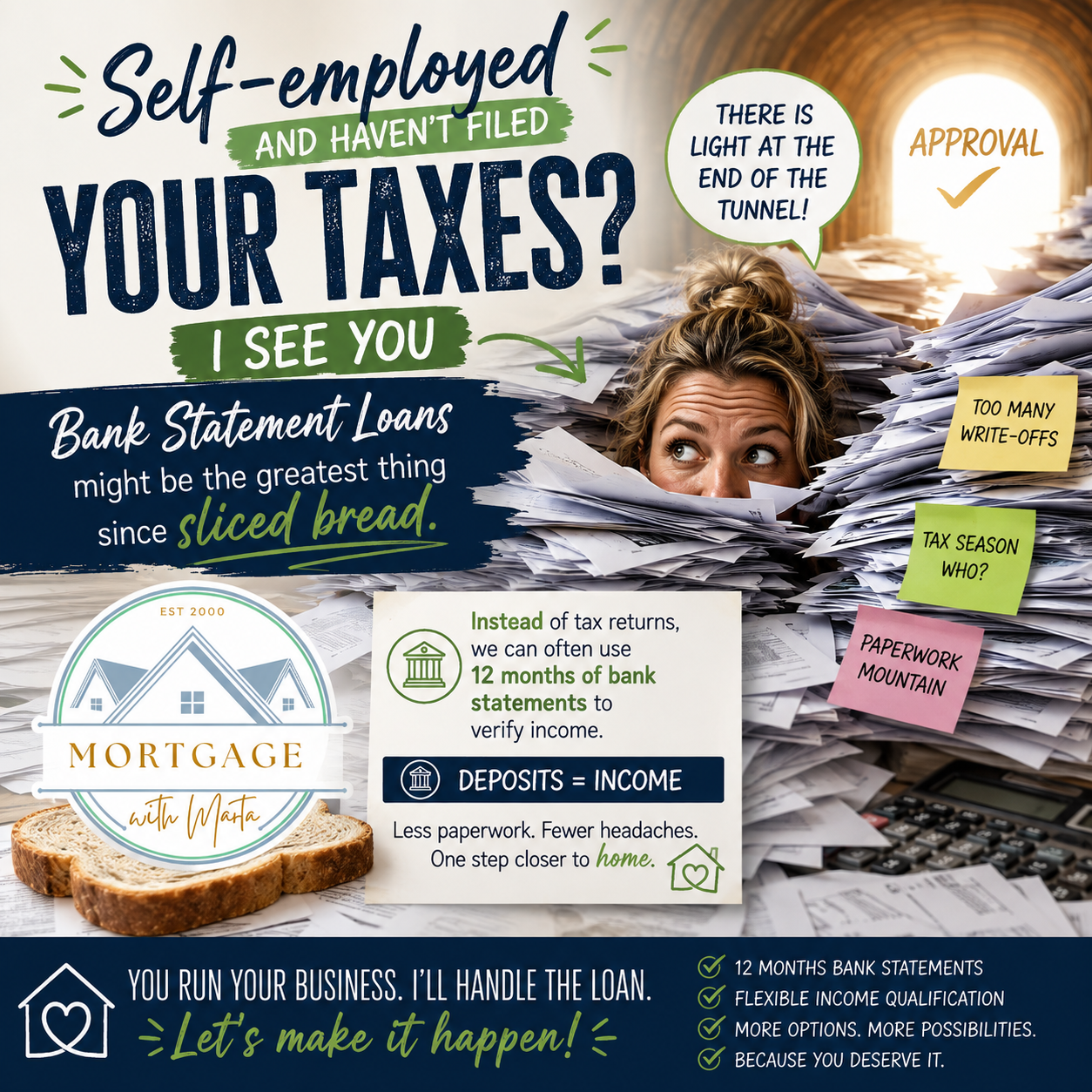
Loan Programs
How eligible deposits and cash flow may document income for a self-employed borrower.
Read the guide
Loan Programs
Standard and alternative ways self-employed borrowers, contractors, and freelancers may document income.
Read the guide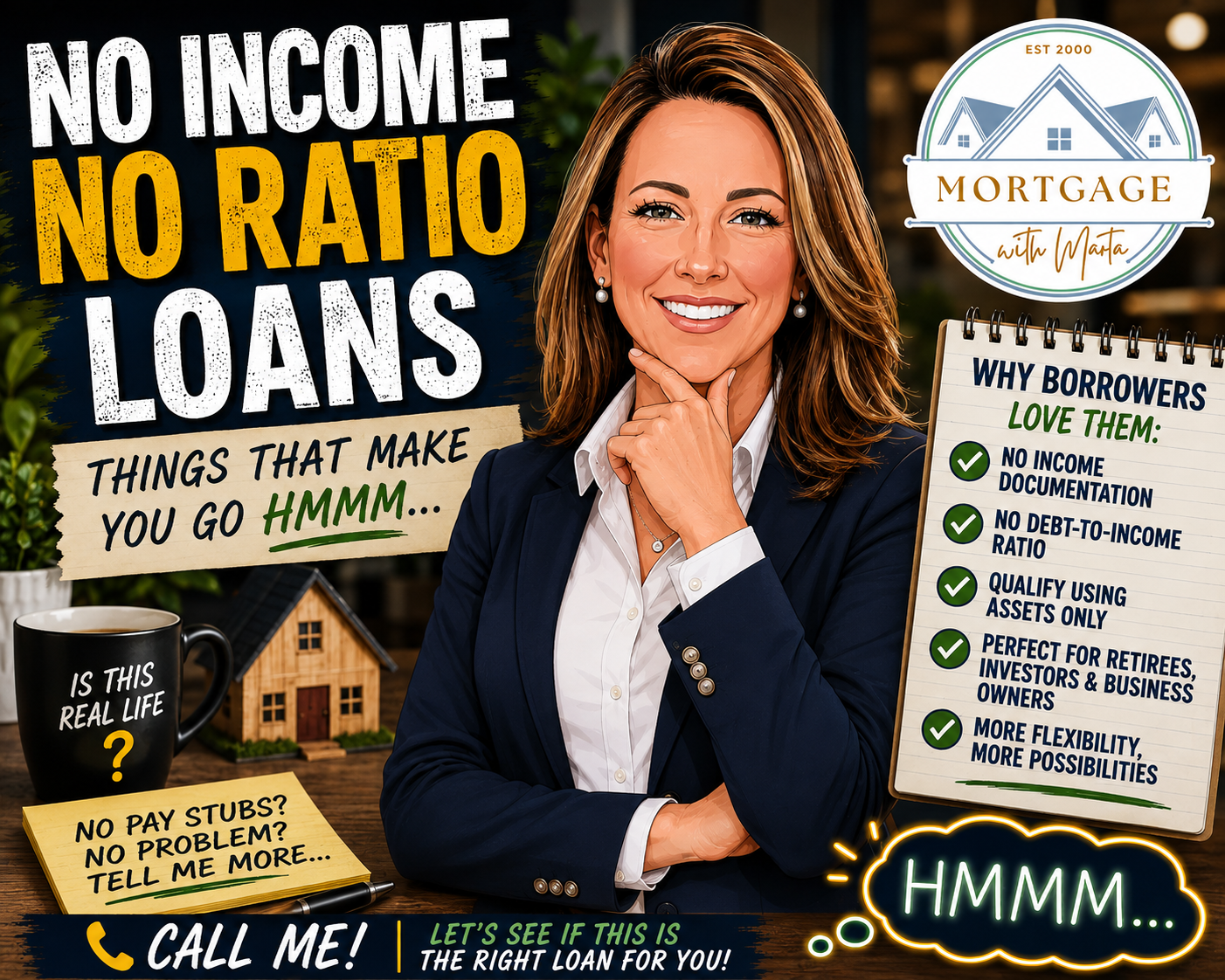
Loan Programs
How specialty financing may work and why assets, credit, reserves, property, and tradeoffs still matter.
Read the guideStep 05
Compare rates, payments, terms, builder financing, credits, equity, and long-term cost based on your real goal.
Mortgage Strategy
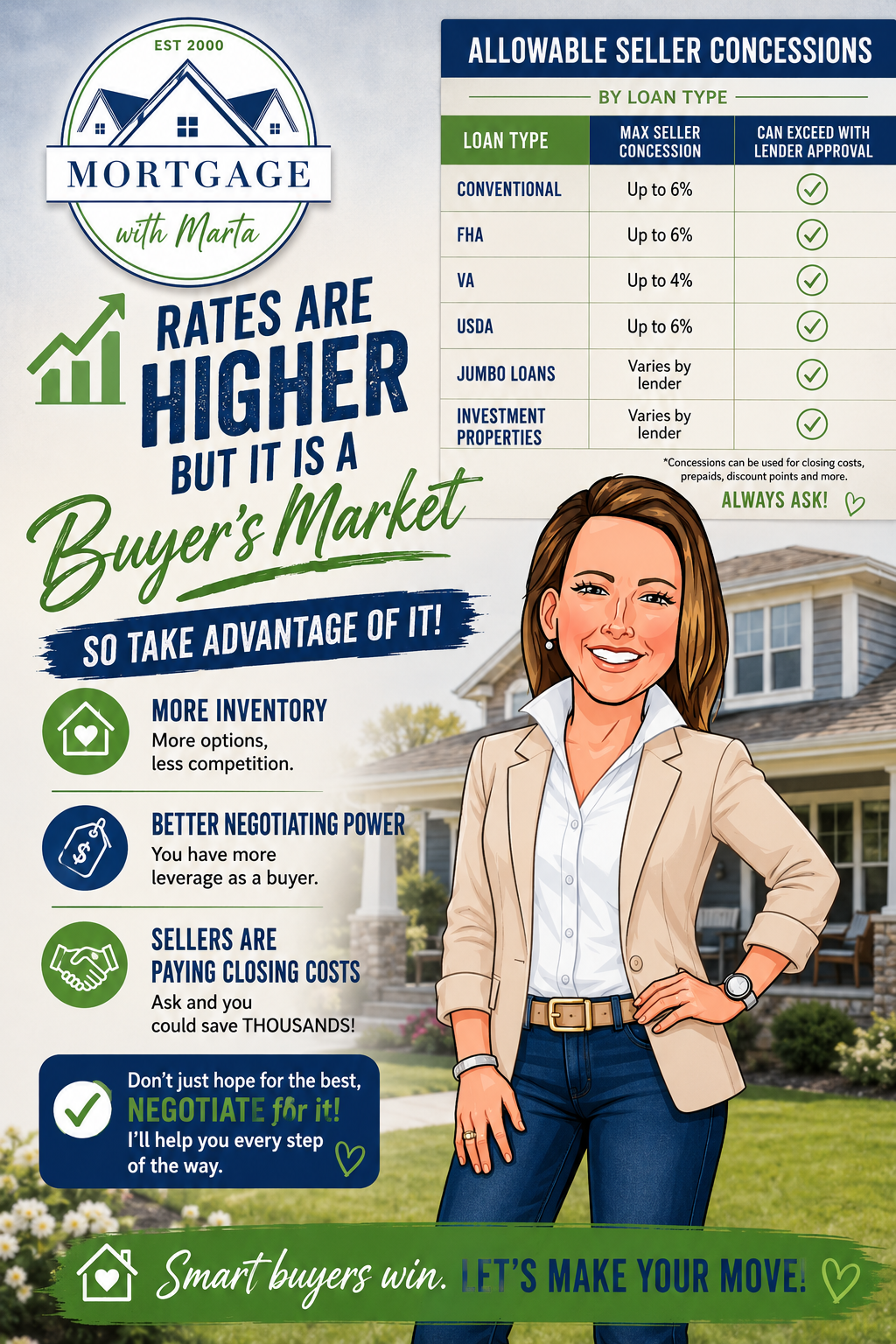
Use price, seller credits, buydowns, monthly payment, and negotiating power to build a smarter buying strategy.
Read the guide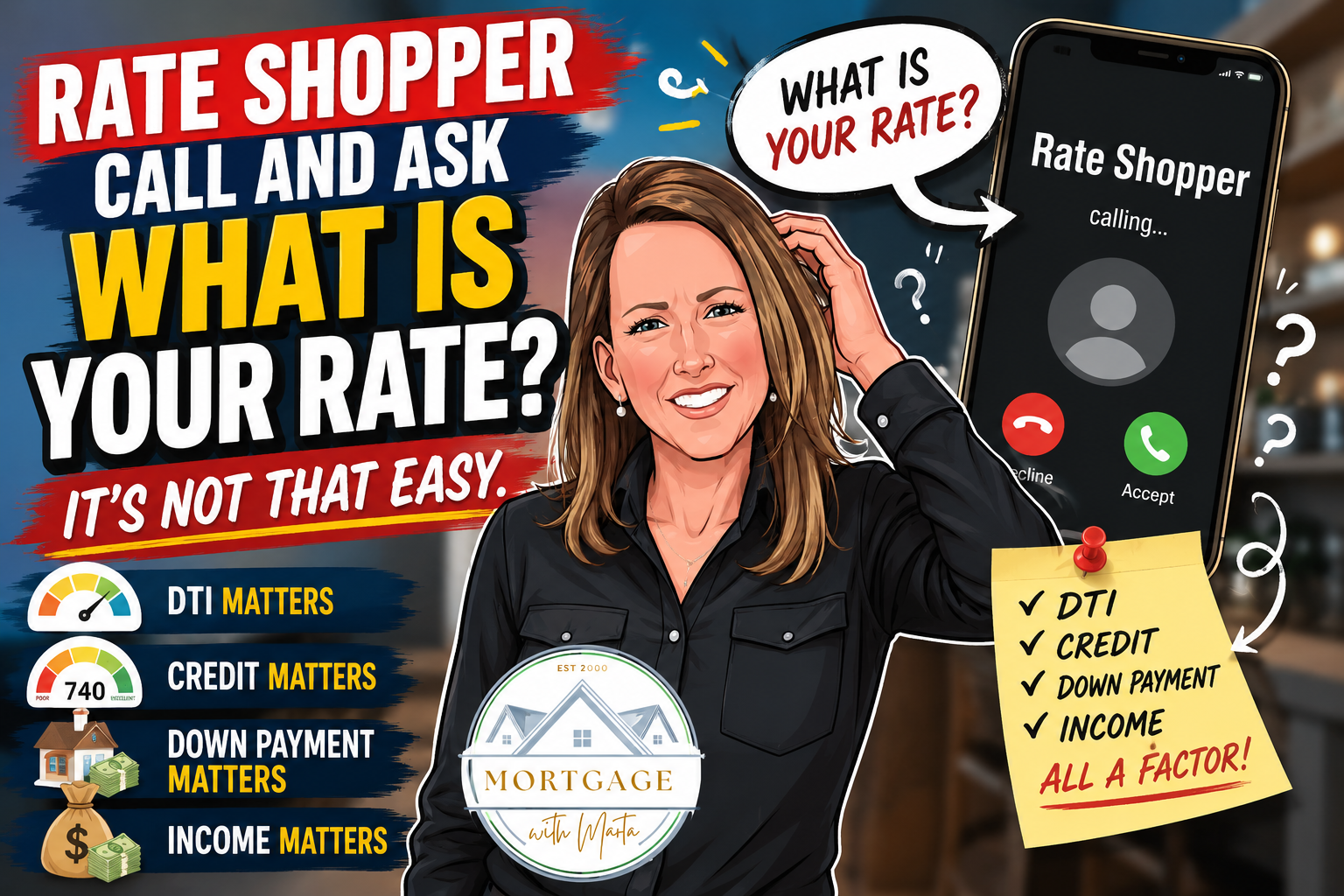
Mortgage Strategy
Why an accurate quote requires credit, loan, property, points, credits, and timing details.
Read the guide
Mortgage Strategy
How shopping multiple lenders creates options and what borrowers should compare.
Read the guide
Realtor Education
How a proven Realtor-lender partnership creates faster answers, fewer surprises, and smoother closings.
Read the guide
Mortgage Strategy
Compare incentives, rates, fees, options, and the complete deal before choosing the lender.
Read the guide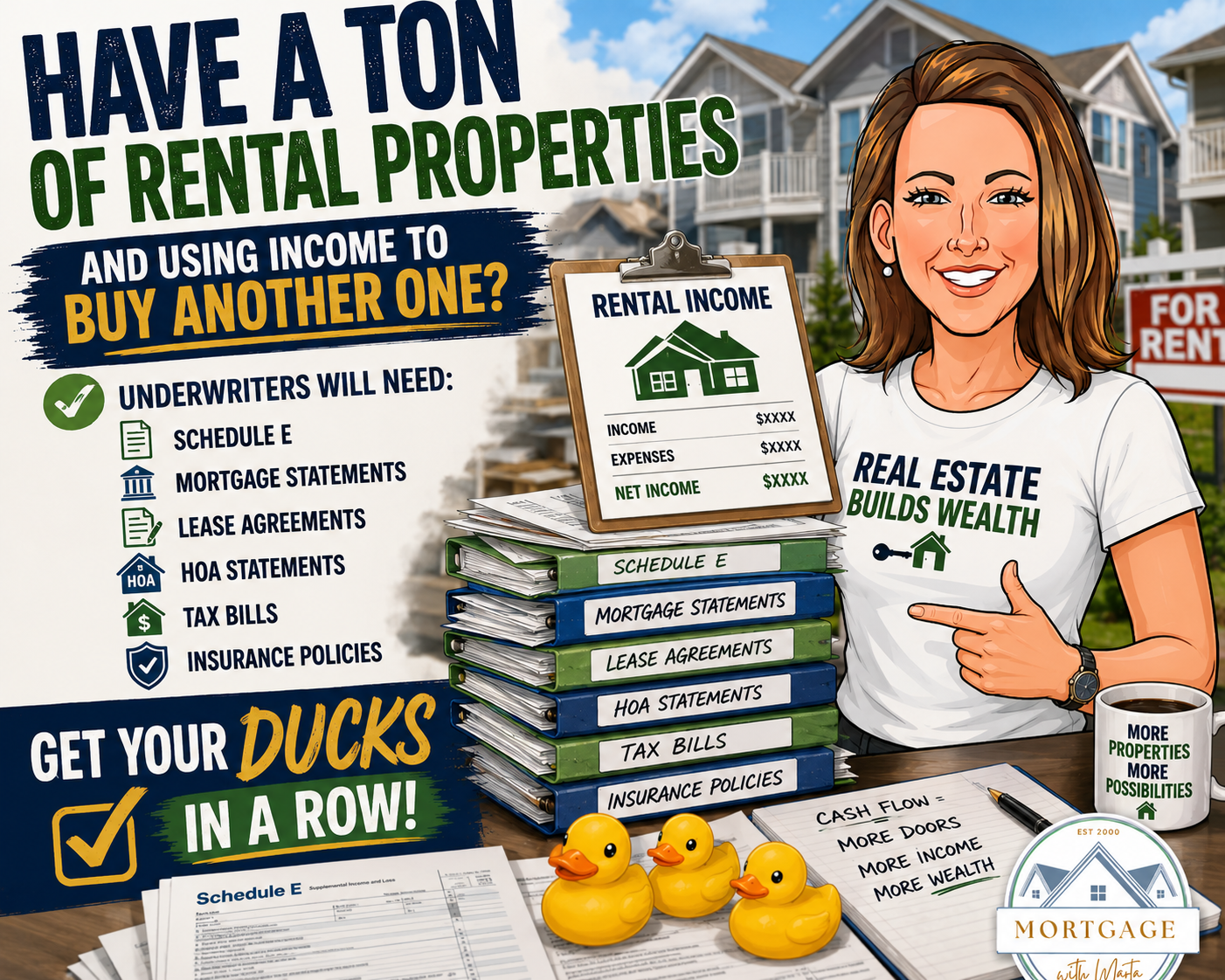
Investor Education
The tax returns, leases, statements, taxes, insurance, and HOA documents investors should organize.
Read the guide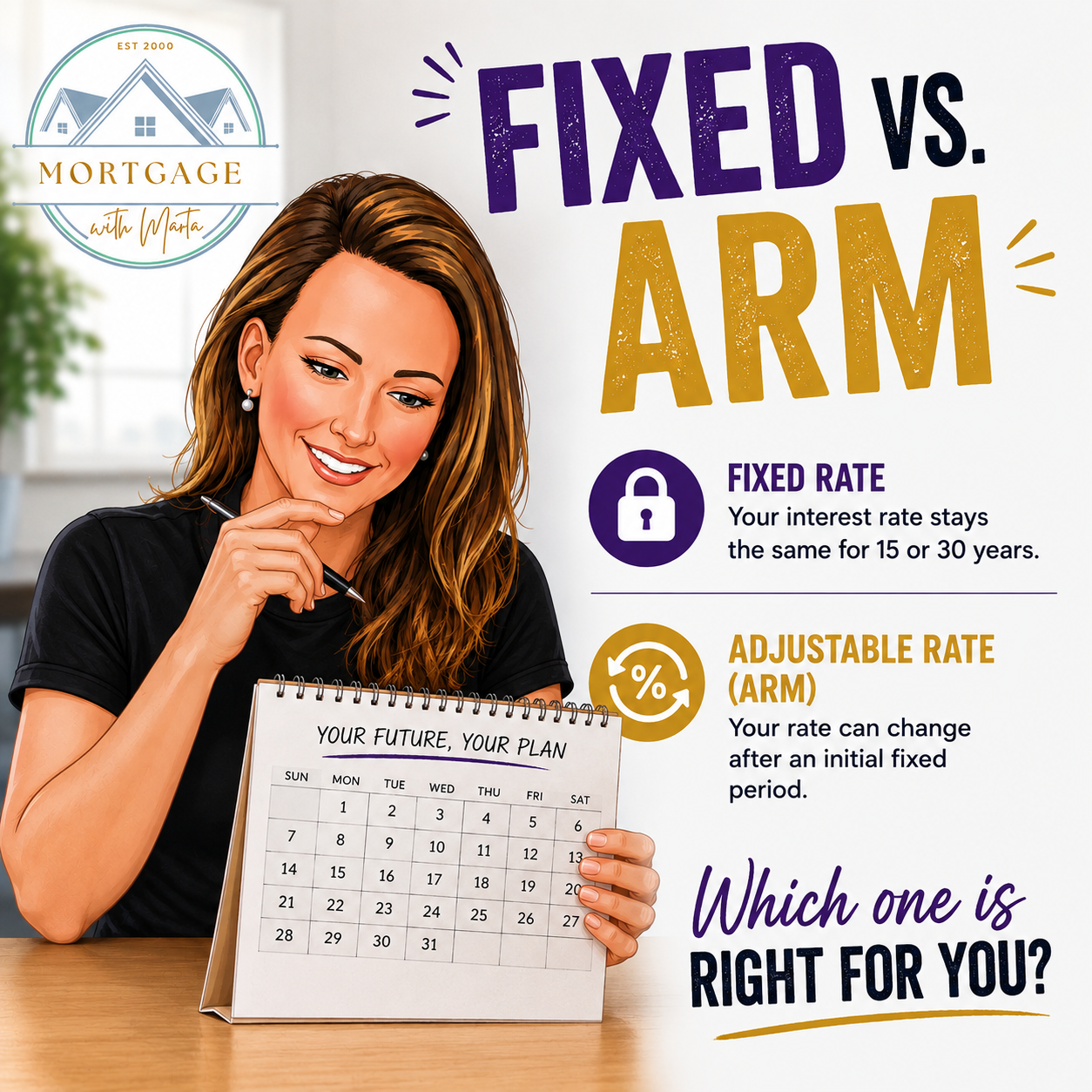
Mortgage Strategy
How your timeline, the initial fixed period, adjustment caps, and future plans shape the right choice.
Read the guide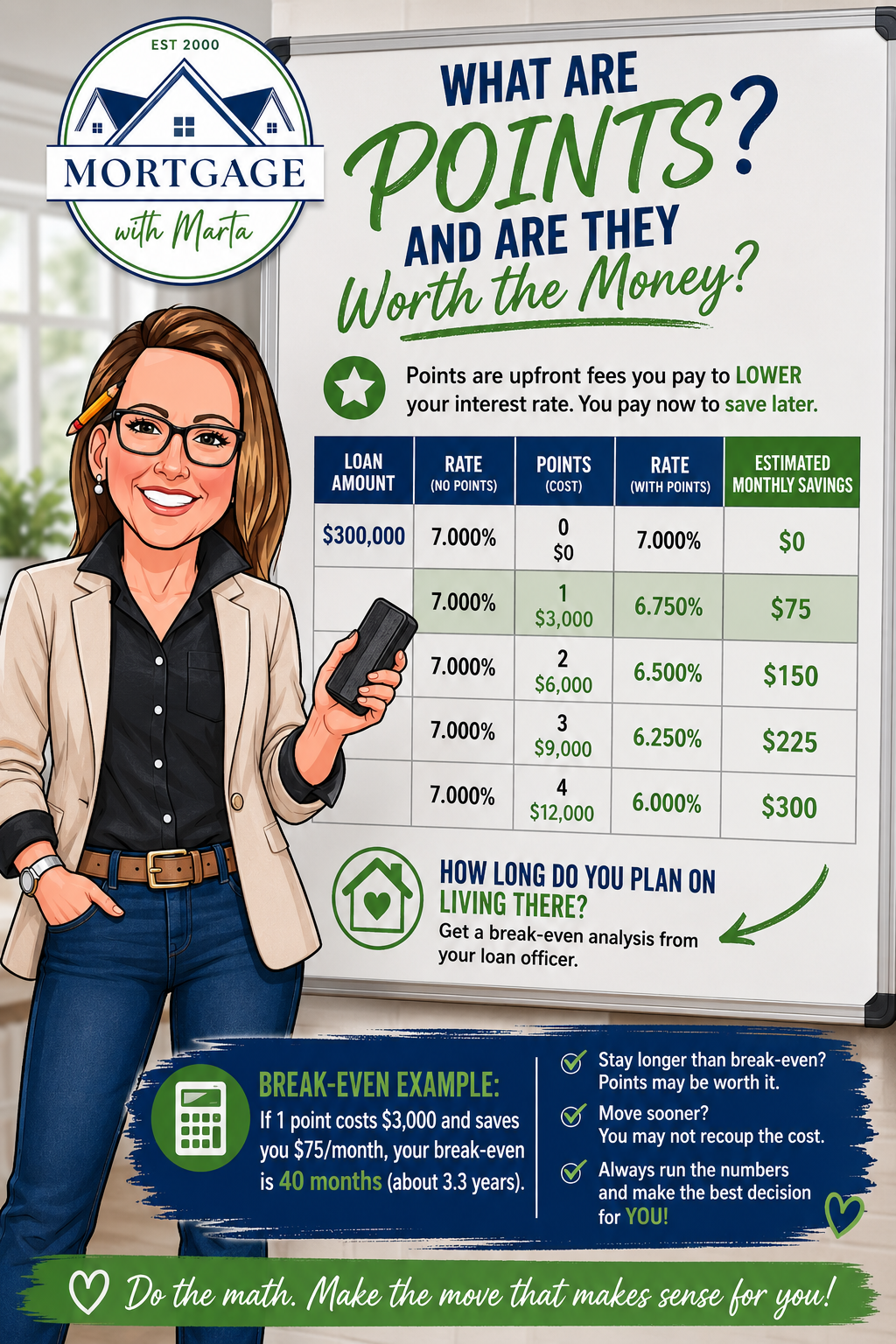
Mortgage Strategy
Calculate cost, monthly savings, break-even time, and alternatives before paying points.
Read the guide
Mortgage Strategy
How 1-0, 2-1, and 3-2-1 buydowns reduce early payments, who funds them, and what happens later.
Read the guide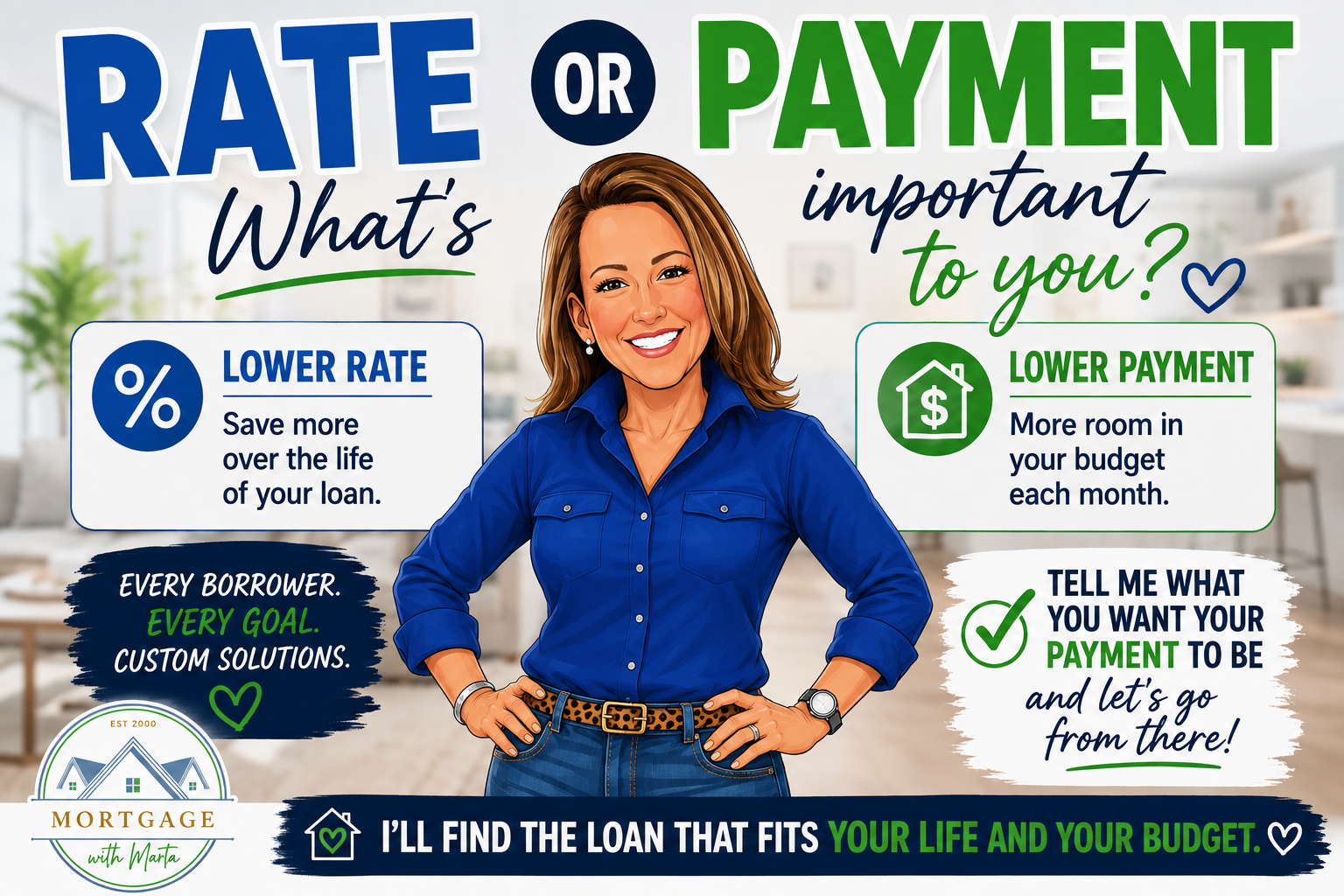
Mortgage Strategy
Start with the complete payment, then compare cash, term, flexibility, and total cost.
Read the guide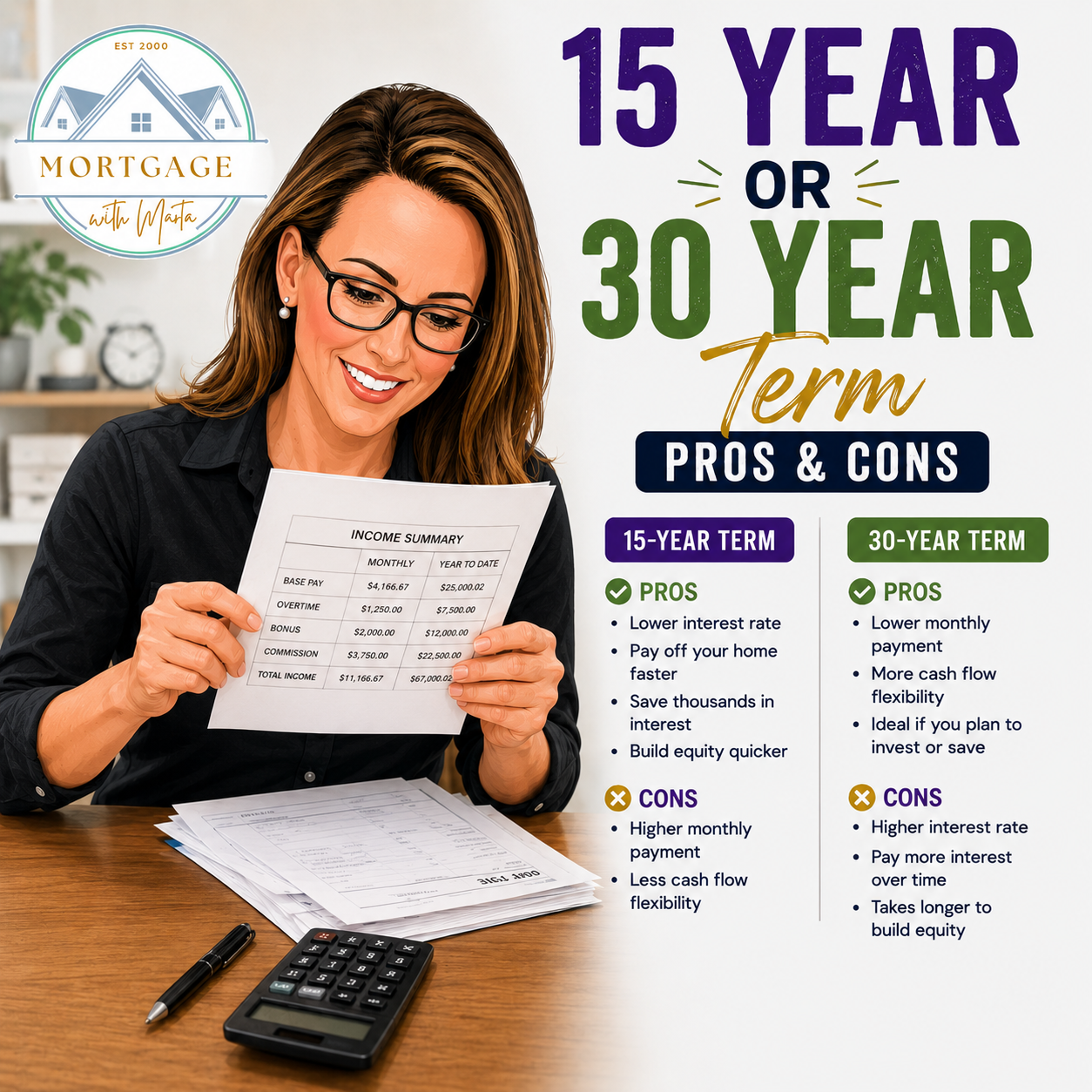
Mortgage Strategy
Compare the payment, cash-flow flexibility, equity growth, and long-term interest before choosing a loan term.
Read the guide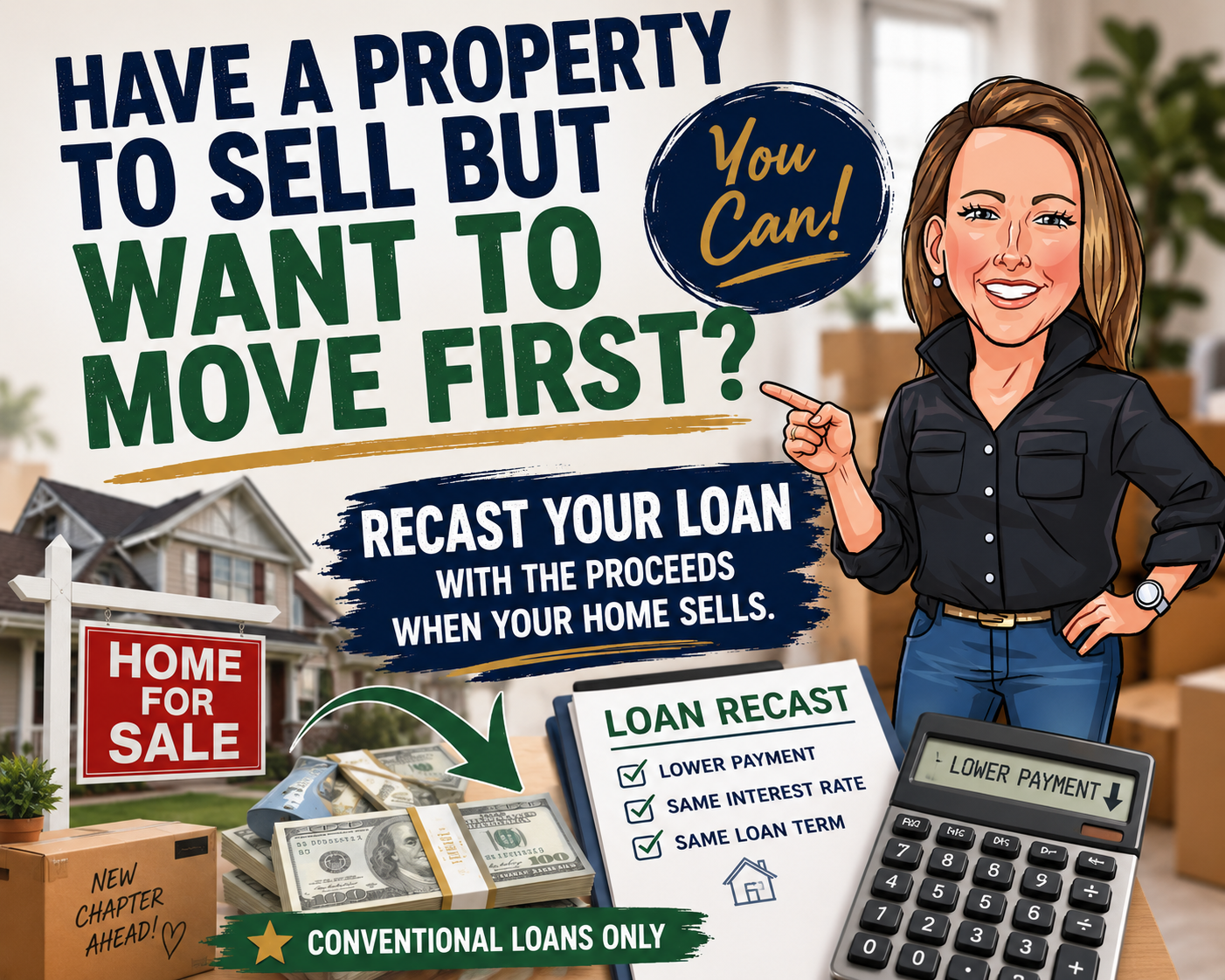
Mortgage Strategy
Apply principal, recalculate the payment, and keep the existing rate and maturity date.
Read the guide
Mortgage Strategy
Start with the goal, then compare payment savings, equity use, payoff time, costs, and the break-even point.
Read the guideStep 06
Once you find the property, understand value, condition, inspections, title, condos, and insurance.

Appraisals and Property
Why an inspection is different from an appraisal and why contract deadlines matter.
Read the guide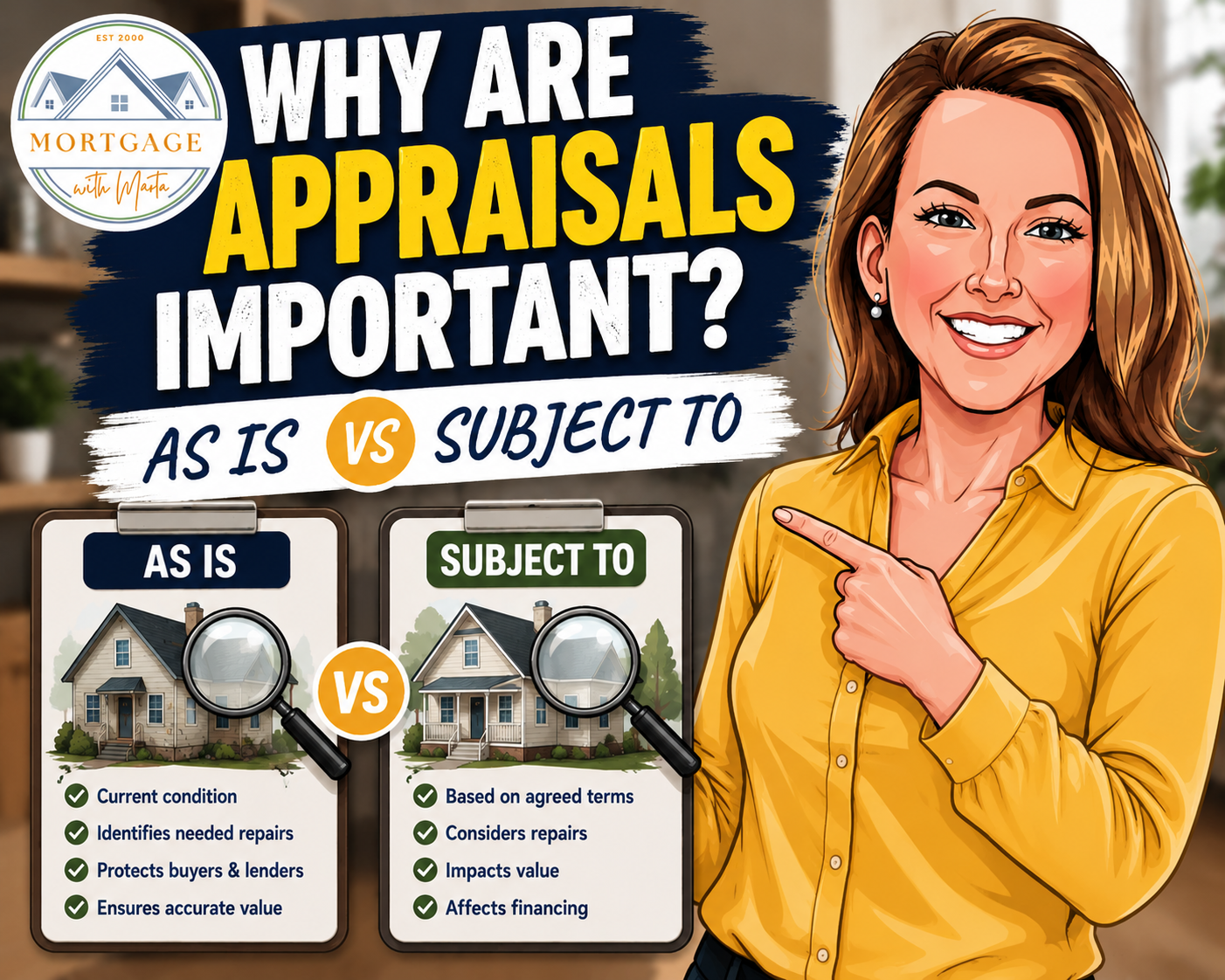
Appraisals and Property
Renegotiating, challenging the value, paying the difference, meeting in the middle, and understanding as is versus subject to.
Read the guide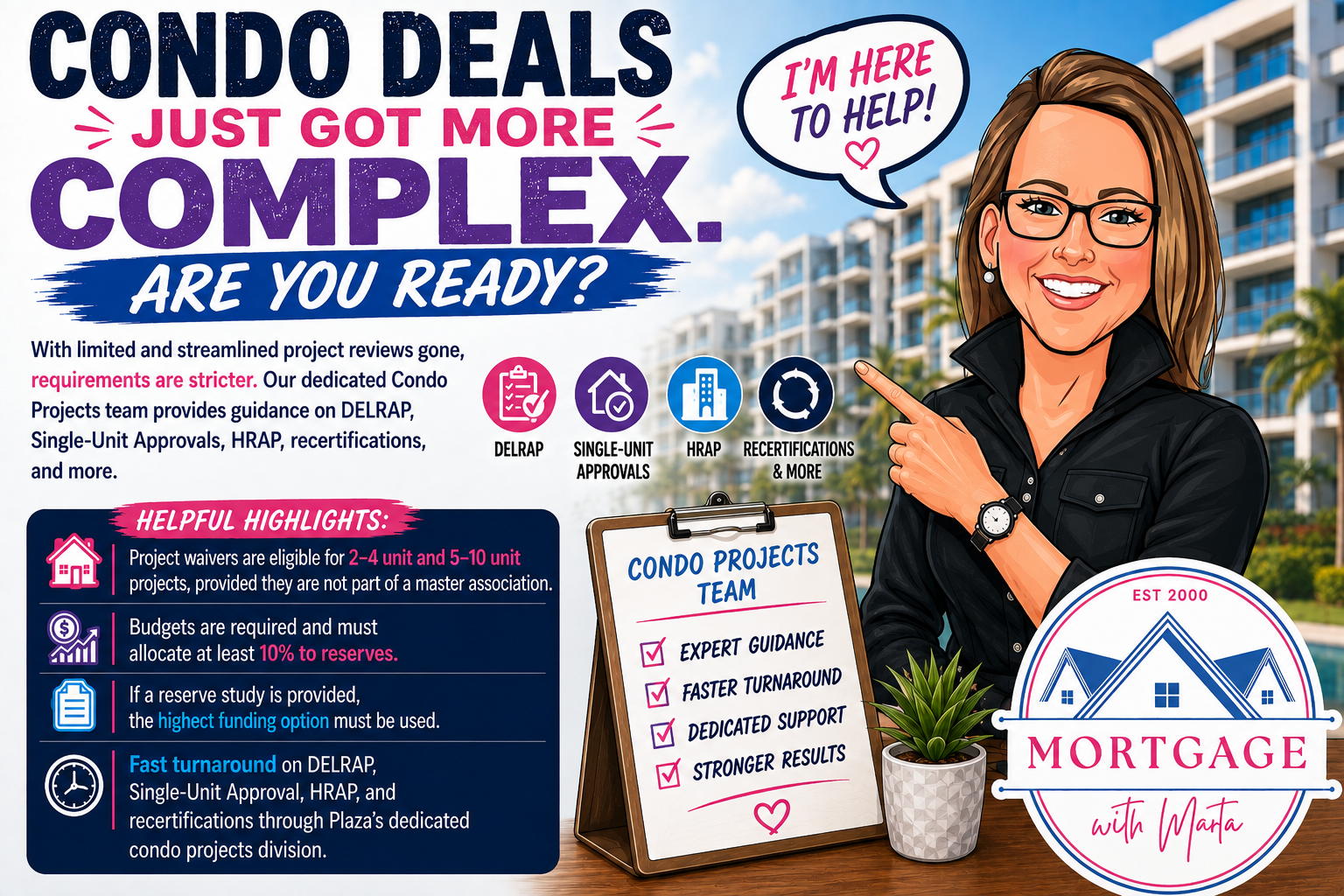
Appraisals and Property
Why association finances, insurance, repairs, litigation, and documents should be checked early.
Read the guide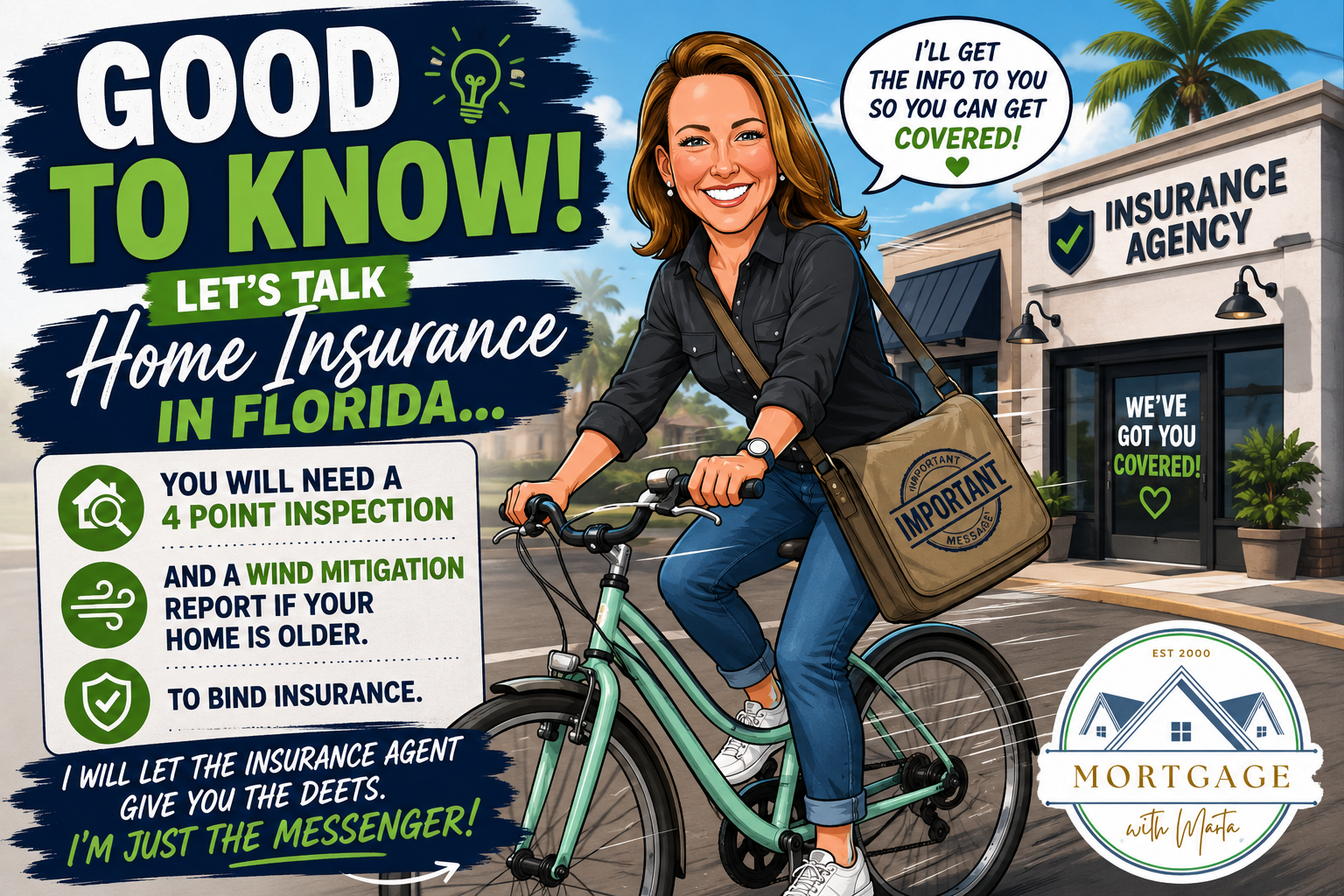
Appraisals and Property
Four-point, wind mitigation, roof documentation, and why insurance work should start early.
Read the guide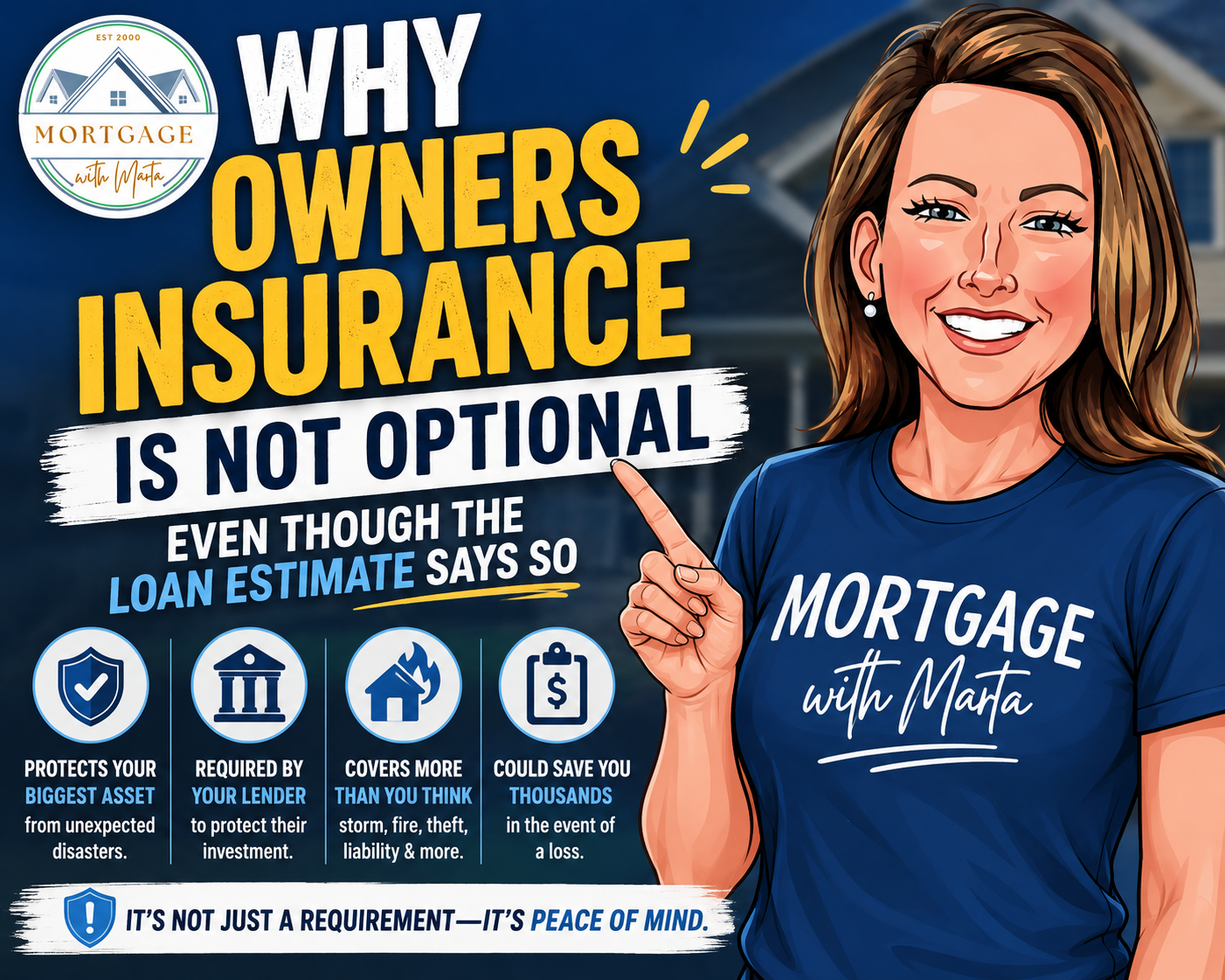
Closing and Property
What the policy protects, why lenders require coverage, and which Florida risks deserve extra attention.
Read the guide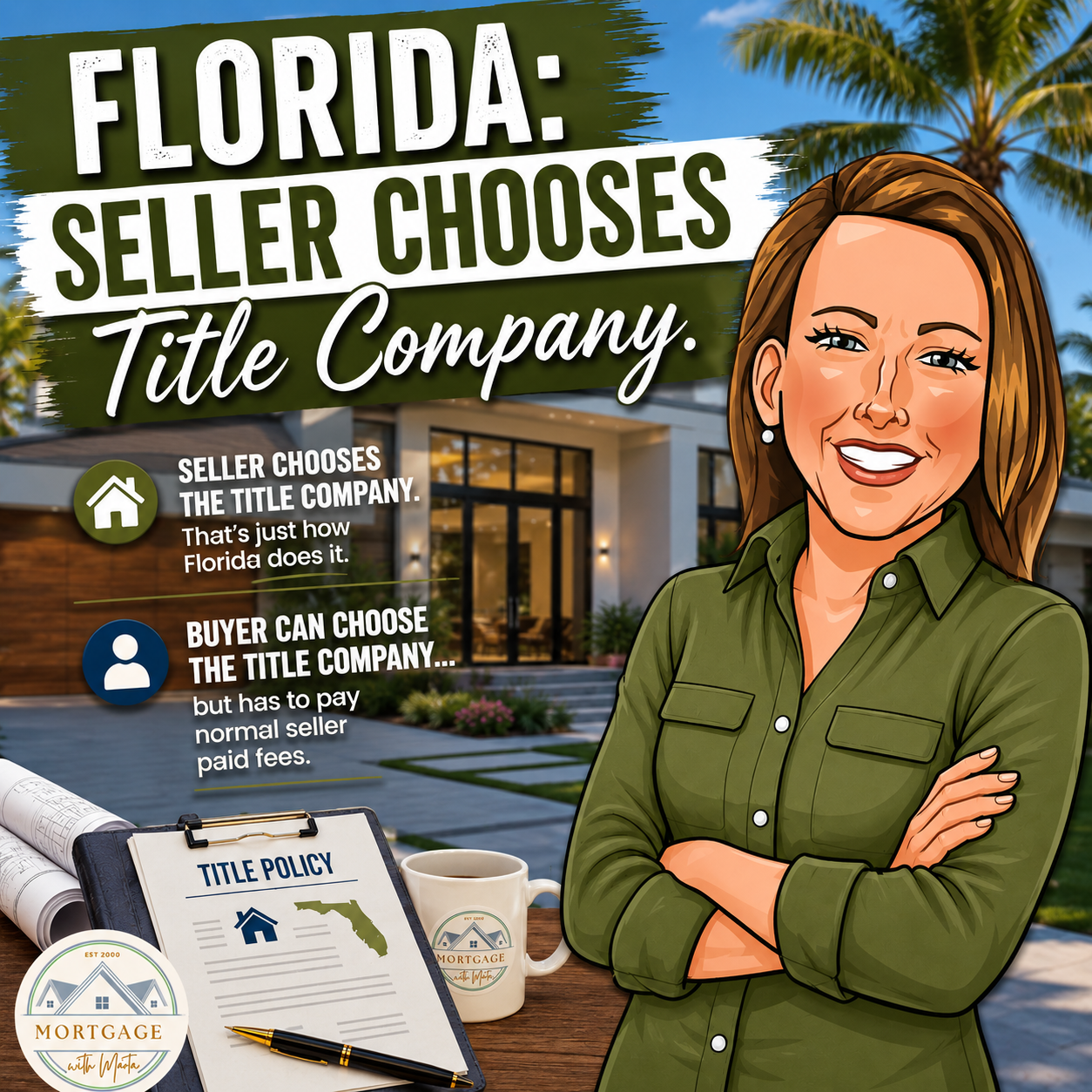
Closing and Property
How the contract, local custom, owner's title policy, and fee responsibility shape the choice.
Read the guideStep 07
Avoid the innocent-looking decisions and surprise rules that can create problems before closing.
Don’t Let It Bite You
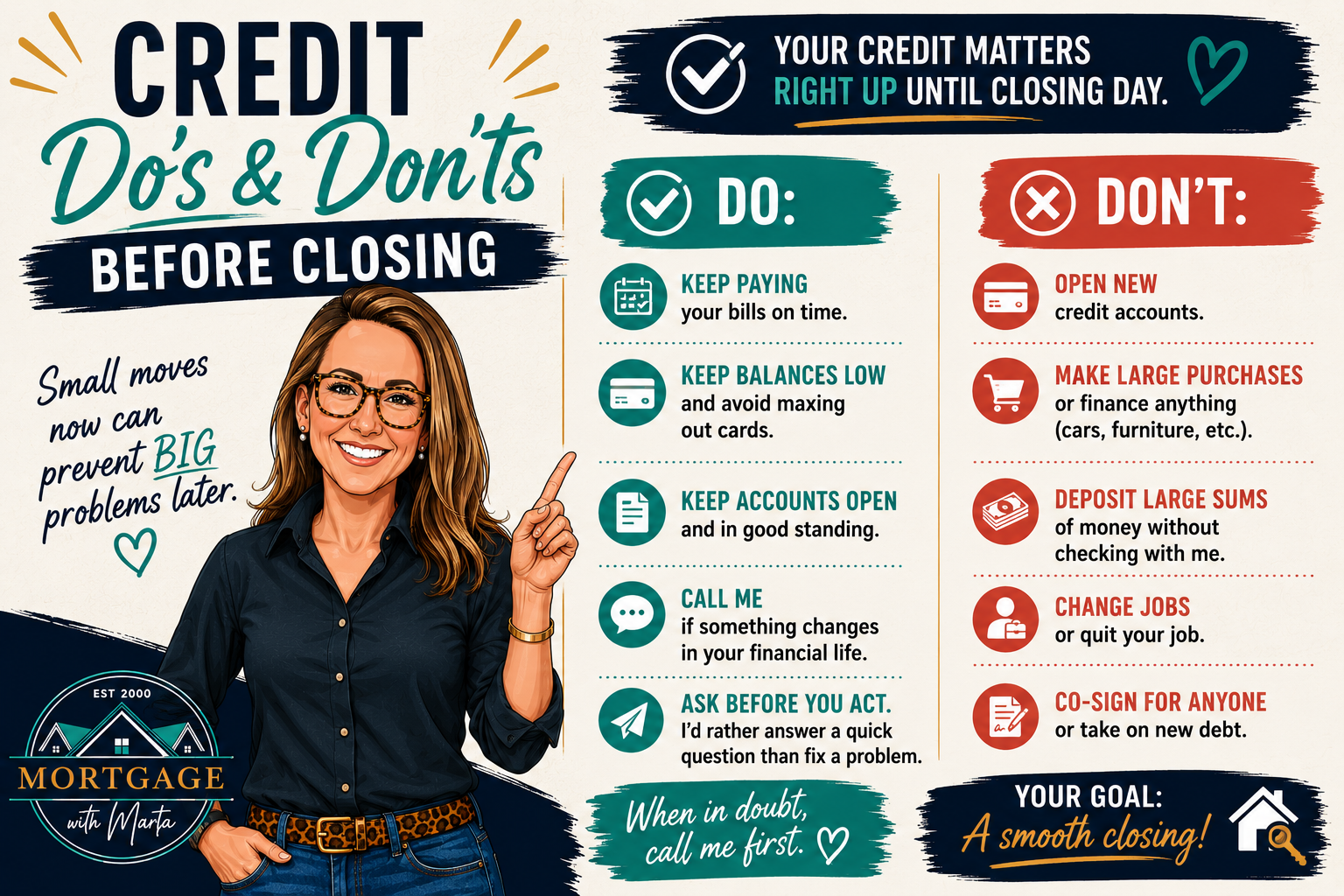
What to keep doing, what to avoid, and why one financial change can create a last-minute underwriting problem.
Read the guide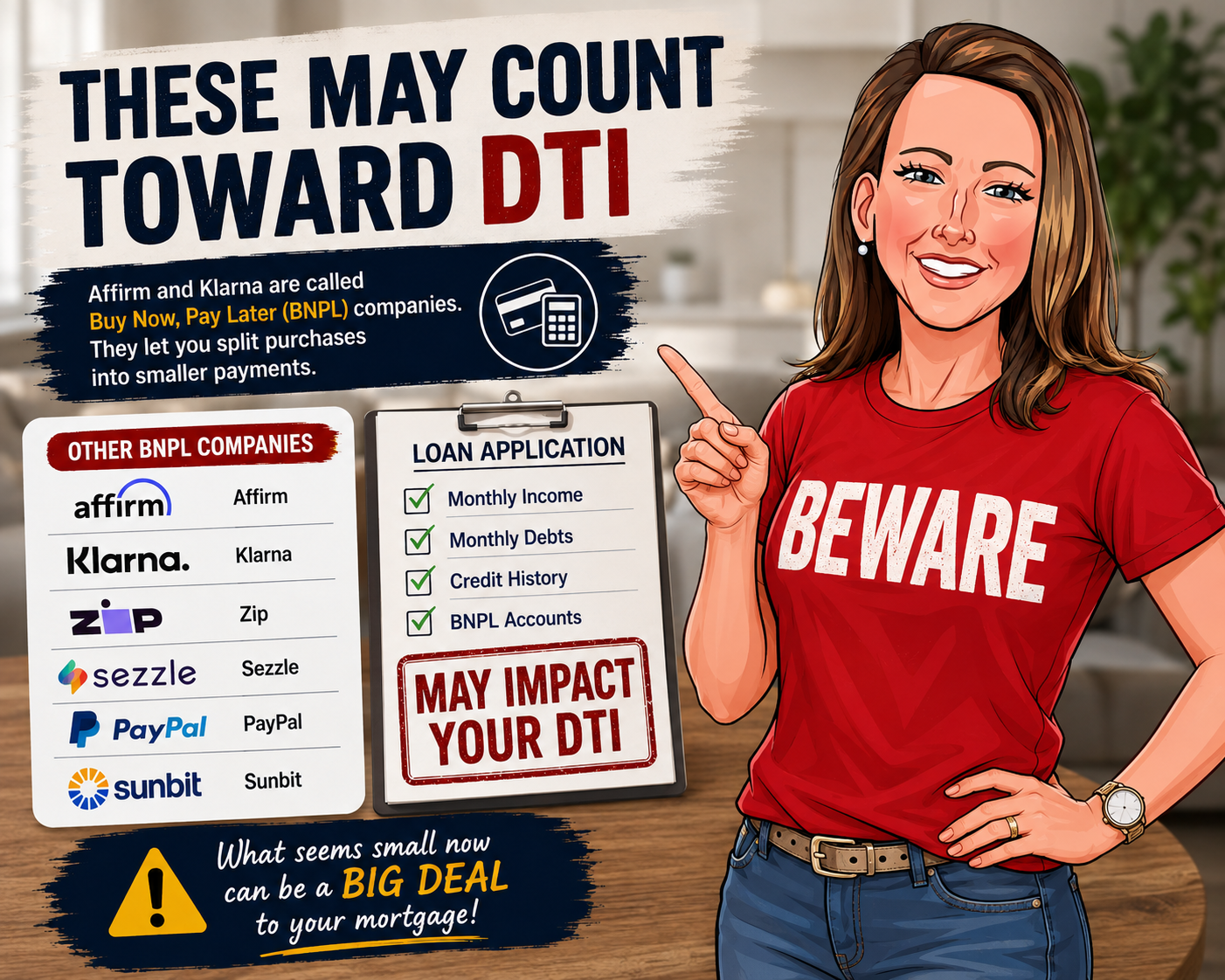
Don’t Let It Bite You
Why BNPL obligations can matter even when they are not obvious on the credit report.
Read the guide
Don’t Let It Bite You
Why a rate and payment you like may be worth locking in a volatile market—and what happens if you choose to float.
Read the guide
Don’t Let It Bite You
Why the lender, title company, and underwriting need to review a POA early.
Read the guide
Don’t Let It Bite You
Why marital status and homestead rights can affect title and closing signatures.
Read the guide
Don’t Let It Bite You
Real answers, ridiculous paperwork explained, a few laughs, and guidance all the way to the closing table.
Read the guideStep 08
Final disclosures, verified funds, last-minute details, signing, and finally getting the keys.
Closing Day
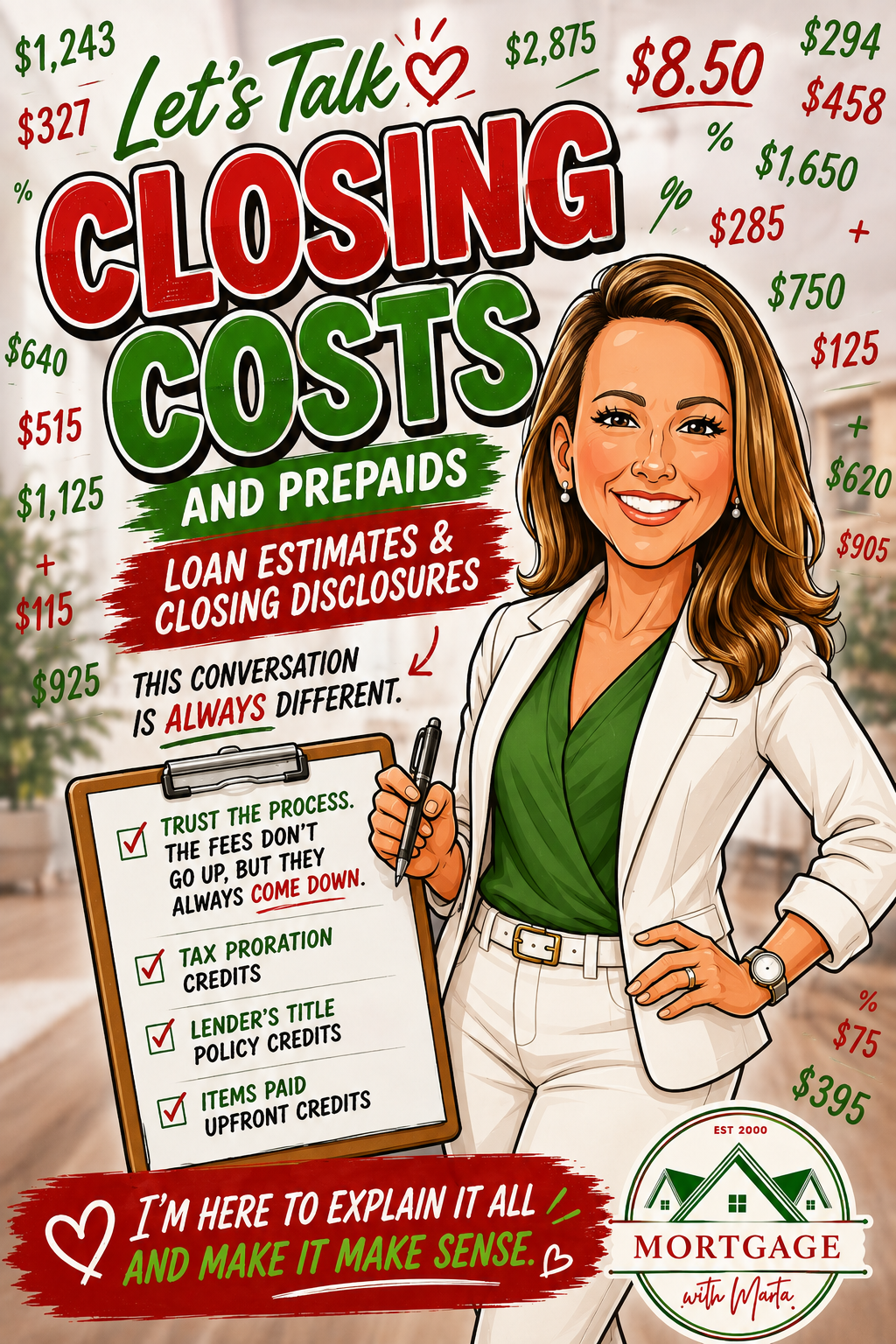
Costs, prepaids, Loan Estimates, Closing Disclosures, credits, and why the numbers move.
Read the guide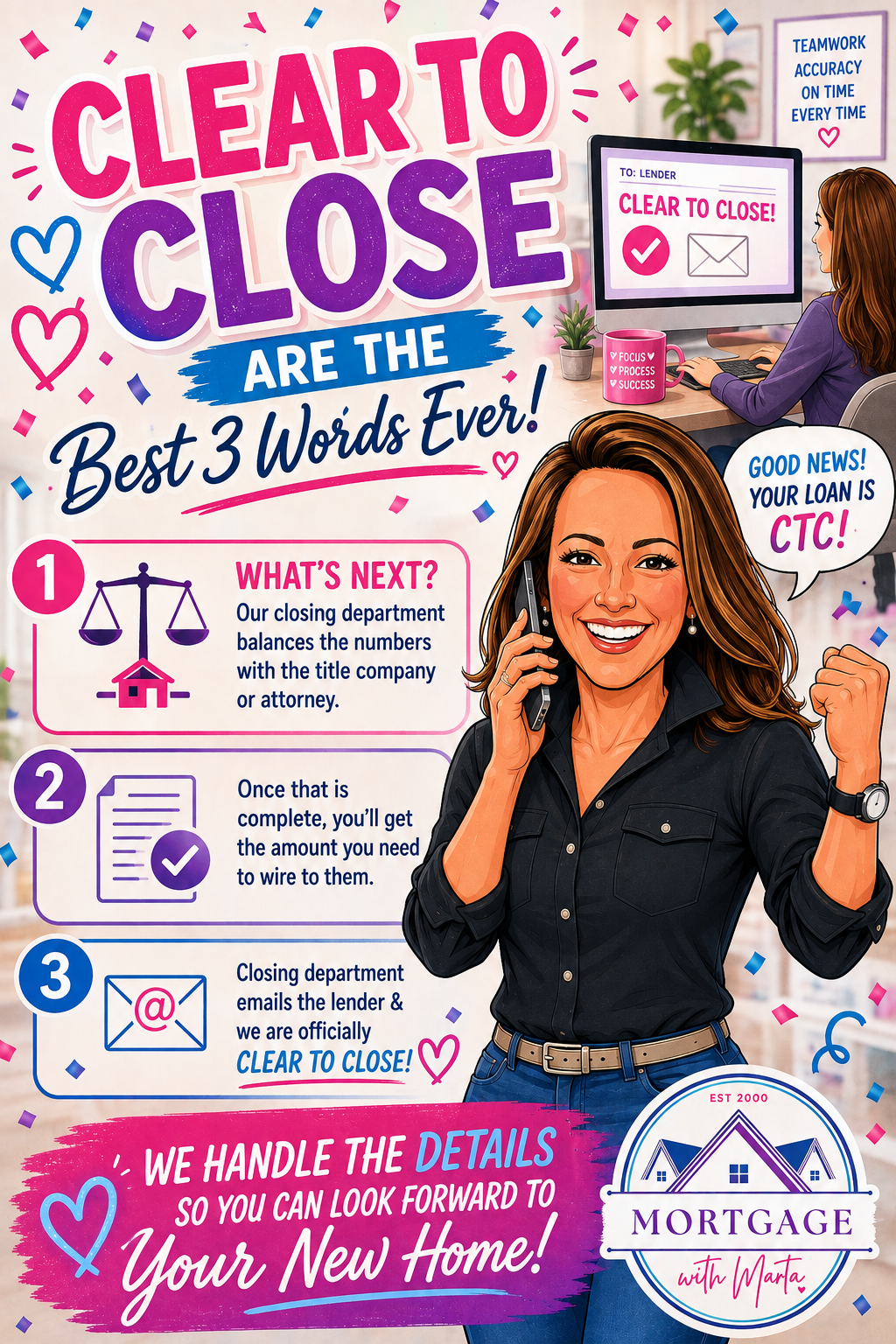
Closing Day
Final balancing, disclosure review, secure funds, signing, funding, and avoiding new debt.
Read the guideStep 09
Taxes, escrow, insurance, payment questions, and smart homeowner follow-up after the boxes are unpacked.

After Closing
Why Florida homeowners should compare both price and coverage before every policy renewal.
Read the guide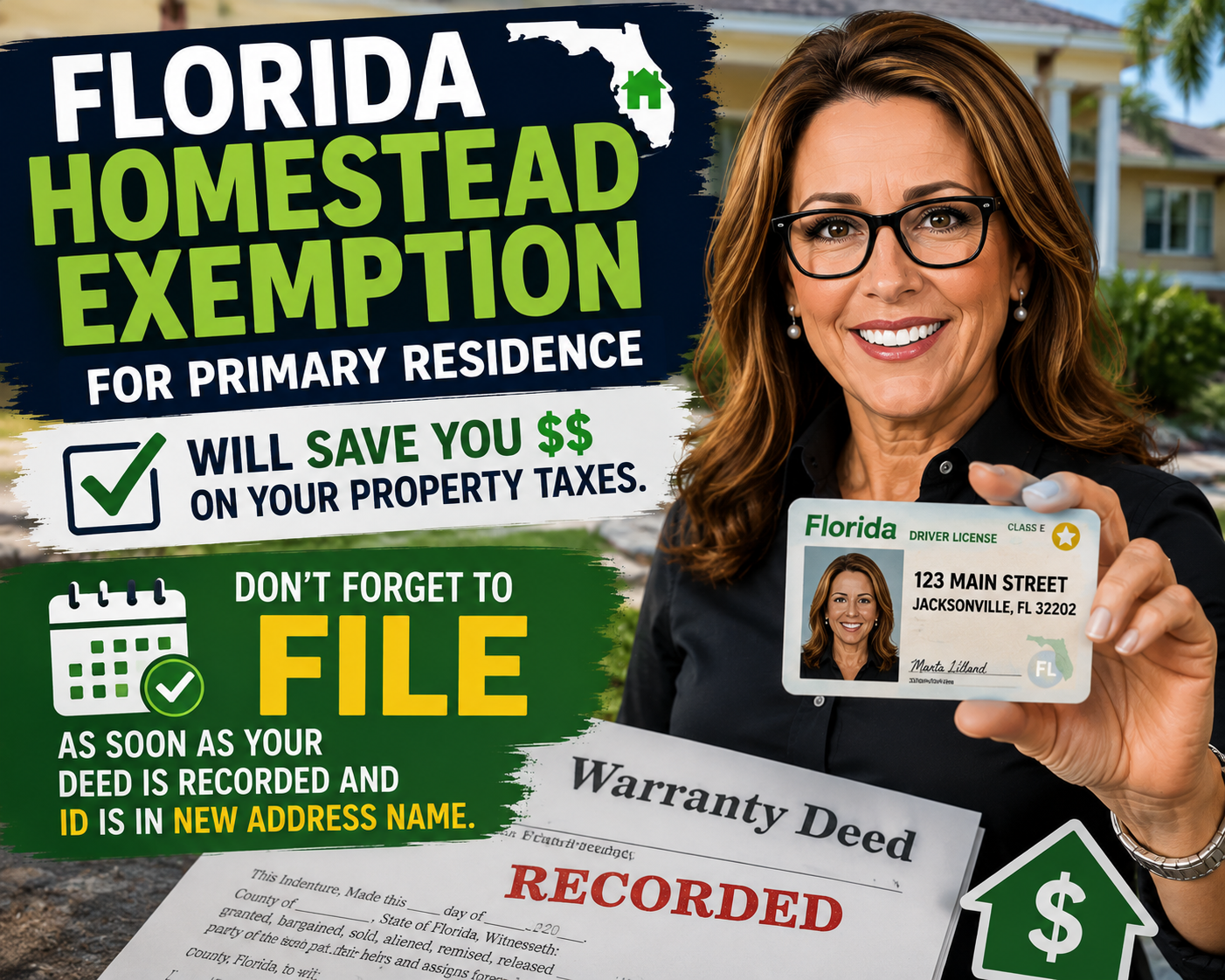
After Closing
The March 1 filing deadline, residency documents, and why the county property appraiser is the source.
Read the guide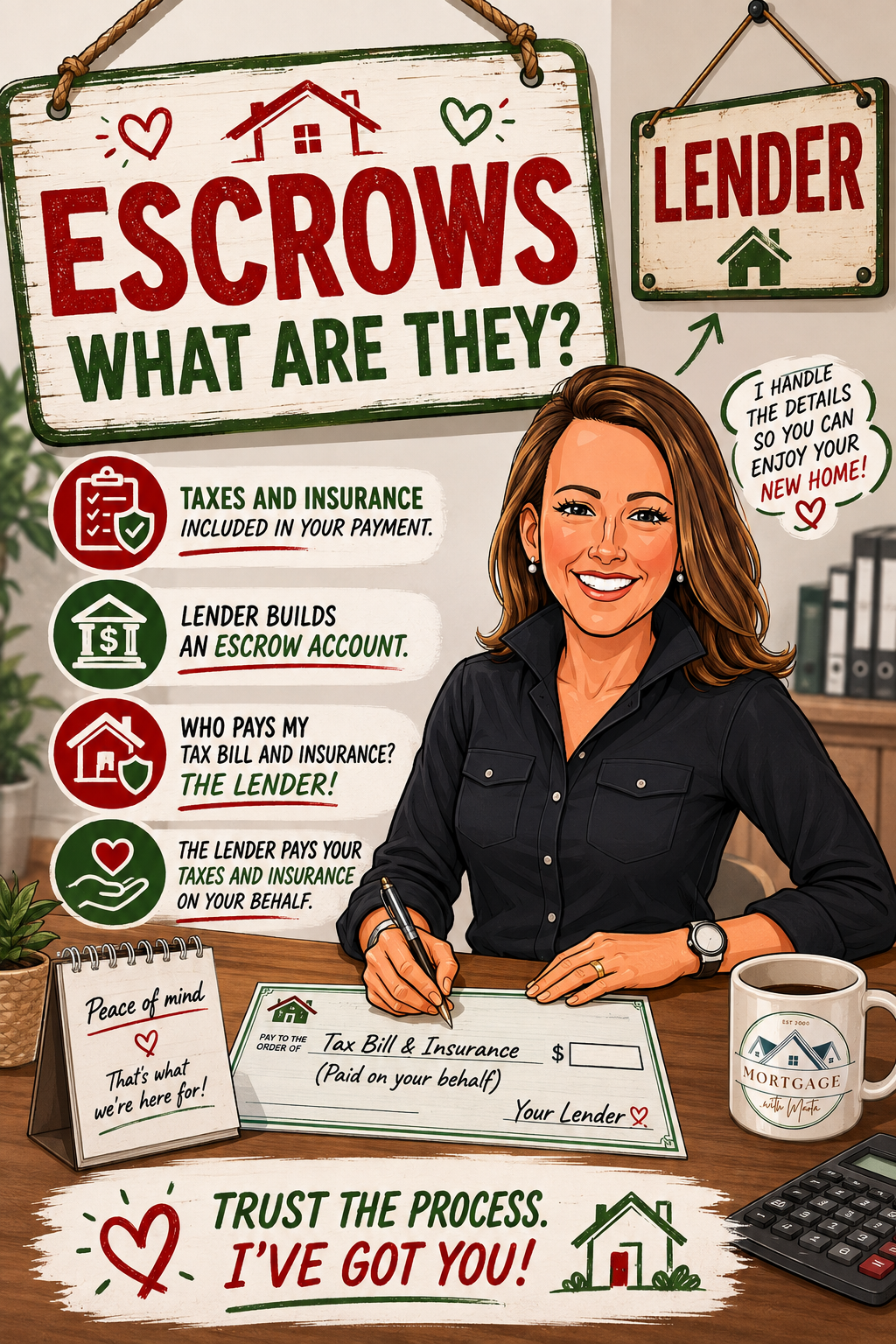
After Closing
How the servicer collects and pays eligible taxes and insurance, plus why payments change.
Read the guide
After Closing
Why calling the servicer quickly matters and which hardship options may be available.
Read the guideYour next step